Habanos: Unpacking the Landmark Ownership Change
The biggest behind-the-scenes story in the cigar world is the landmark sale of the 50% stake in Habanos S.A. formerly owned by a European tobacco giant. But who are the new owners, and what does this mean for the future of Cuban cigars? In our latest post, we break down the sale and analyze the "buzz" everyone is talking about: a strategic pivot to the Asian luxury market, aggressive price hikes, and a new wave of "premiumization." This isn't just a business deal; it's a fundamental shift in the direction of the world's most famous cigar brands. Read the full story on the blog.
First, The Facts: What Actually Happened?
In 2020, the British company Imperial Brands announced the sale of its entire premium cigar division, which included its 50% stake in Habanos S.A. The sale was finalized in 2021.For two decades, Habanos S.A., the global distribution company for all Cuban cigars, was a 50/50 joint venture between:
- Cubatabaco: The Cuban state-owned tobacco company.
- Altadis S.A.: A Spanish company which was owned by the UK’s Imperial Brands.
In a major strategic shift to move away from premium cigars and focus on vaping and “next-generation” products, Imperial Brands sold its entire premium cigar division. The crucial 50% stake in Habanos S.A. was acquired by a Hong Kong-based consortium of private investors named Gemstone Investment Holding Ltd., funded by interests based in Hong Kong and Thailand.
So, while the ownership is still a 50/50 split with the Cuban government, the non-Cuban partner is now a private entity with deep roots in the Asian luxury market.
Why the Industry is Still Talking About It
The sale wasn’t just a simple business transaction; it signaled a fundamental shift in the strategy and direction of Cuban cigars. Here are the four key topics of discussion in the cigar community:
1. The “Pivot to Asia”: A New Center of GravityThe most immediate and noticeable effect is a massive focus on the booming Asian luxury market, especially China. The new co-owners are leveraging their expertise in this region, leading to:
- More Regional Editions for Asia: Enthusiasts have noted a significant increase in the number of Habanos Regional Edition (Edición Regional) cigars being produced exclusively for the Asia-Pacific market.
- Allocation of Rare Cigars: There’s widespread speculation and anecdotal evidence that the most desirable and rare cigars (like Cohiba Behikes, Trinidad limited editions, etc.) are being allocated disproportionately to distributors in Hong Kong, Shanghai, and Bangkok, making them even harder to find in traditional markets like Europe and Canada.
2. Aggressive “Premiumization” and Price HikesThe new partners are treating Cuban cigars less like a traditional tobacco product and more like a high-end luxury good, akin to Swiss watches or French cognac. This has resulted in:
- Steep Price Increases: The annual price hikes have become far more aggressive, pushing top-tier brands like Cohiba and Trinidad into a new stratosphere of cost.
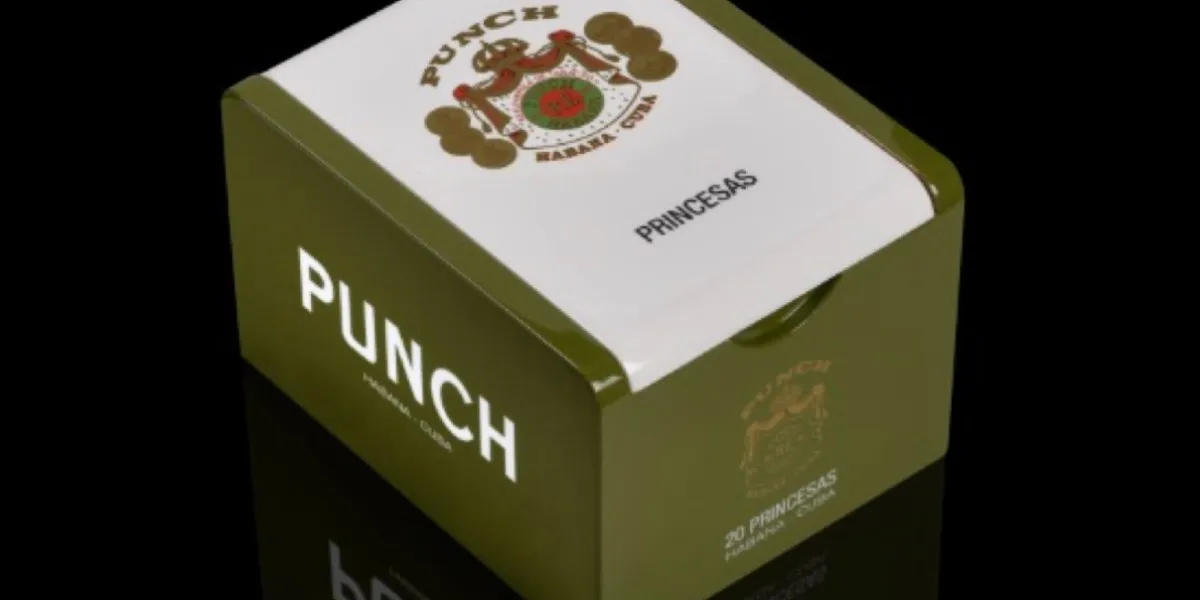
- Modern, Luxury Packaging: We are seeing an overhaul in packaging and branding. Think sleeker boxes, more elaborate bands, and the introduction of technology like NFC chips in boxes for authentication to combat counterfeiting.
3. The U.S. Embargo QuestionThis is the ultimate topic of speculation. For decades, the partner in Habanos S.A. was a European company. Now, with an Asian partner, the question is whether this changes the dynamic for a potential post-embargo United States. While the ownership change has no legal effect on the embargo itself, some analysts believe the new partners may have different strategies or political leverage in preparing for the day it might end, making the prospect of legal Cuban cigars in the USA a hotter topic than ever.
4. Concerns About Tradition and Quality ControlWith any major change comes concern from the purists. The “buzz” in cigar forums and lounges often includes worries about whether this new focus on marketing, luxury branding, and high prices will come at the expense of agricultural traditions and quality control. While there’s no hard evidence, any slight inconsistency in a box of Montecristos or Partagás is now immediately debated online as a potential consequence of the new corporate direction.
Filed under
Latest News