How Sustainability is Reshaping the Cigar World
Sustainable cigars aren't a marketing claim anymore — they're a measurable shift in how the world's best tobacco is grown, rolled, and shipped. From Nicaragua's organic plantations to FSC cedar boxes, here's the green revolution premium smokers don't realize is happening.
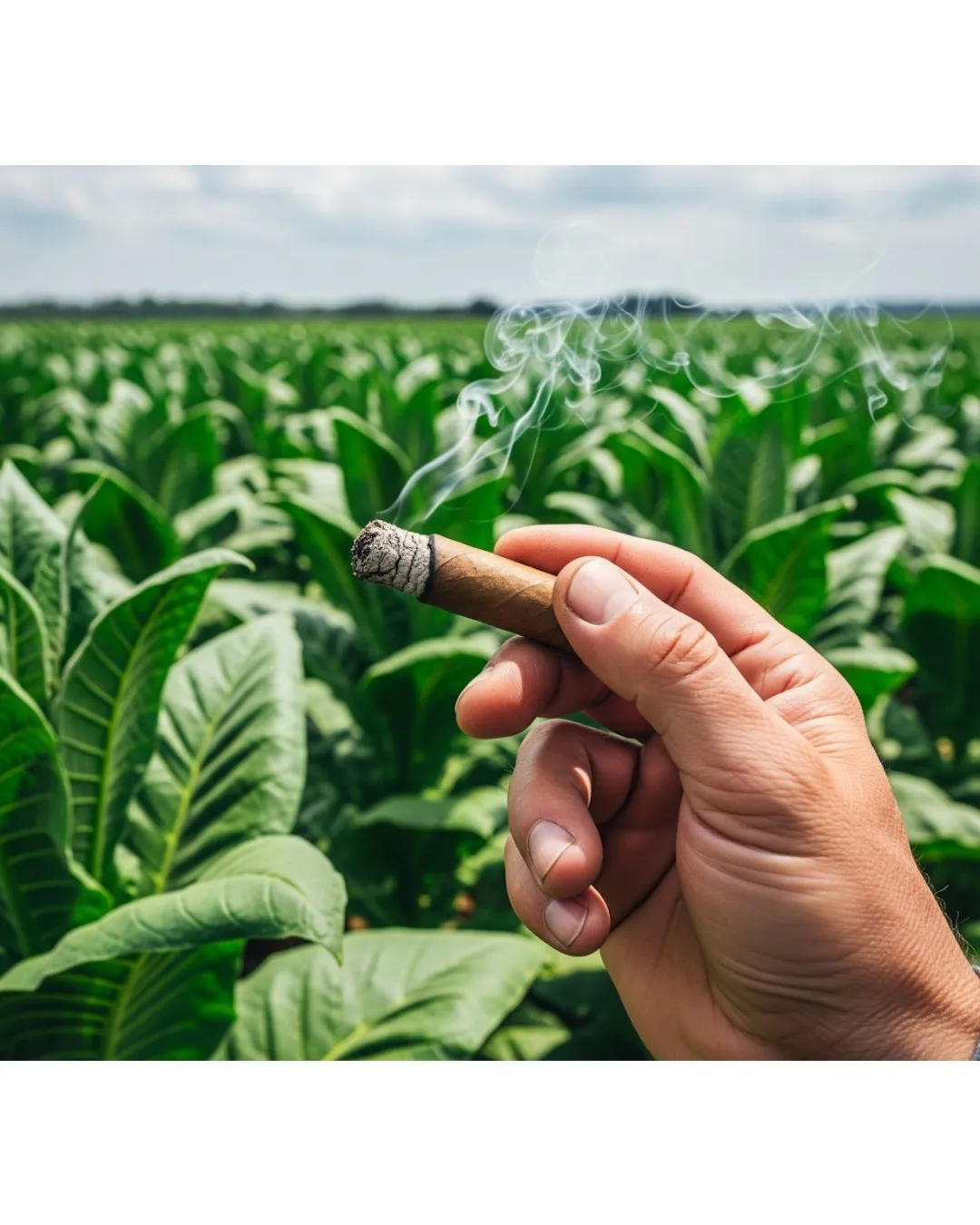
For most of the cigar industry’s history, sustainability was something other industries worried about. Tobacco was grown the way it had been grown since the 19th century — heavy on synthetic fertilizer, heavy on pesticides, heavy on cedar logged from wherever was cheapest, packaged in plastic-lined boxes shipped halfway around the world. Nobody talked about carbon footprint and the buyer didn’t ask.
That has changed in the last decade. Sustainable cigars are now a measurable shift inside the premium cigar industry — not a slogan, not a greenwashing line in a press release, but a genuine reorganization of how the best leaves are grown, processed, and shipped. The producers leading the change aren’t doing it for marketing. They’re doing it because the chemistry of healthier soil produces better tobacco, and the supply-chain economics of certified wood and renewable energy are reaching parity with the alternatives.
This is the green revolution most premium smokers don’t realize is happening.
Why sustainability matters in cigars specifically
Tobacco is one of the most demanding agricultural crops on the planet. A single hectare of tobacco depletes soil nitrogen at roughly twice the rate of corn and three times the rate of wheat. The conventional industry response, for decades, was synthetic fertilization — pump the nutrients back in chemically and move on. But synthetic nitrogen has a price. Soil bacteria balance degrades, the leaf chemistry shifts subtly, and within a decade or two of intensive cultivation, the land yields tobacco that is technically the same crop but markedly less flavorful than what came off the same soil 30 years earlier.
Cuban Vuelta Abajo tobacco still tastes the way it does partly because the region uses traditional crop rotation and organic amendments. The modern Nicaraguan producers — Padrón, Plasencia, Joya de Nicaragua — have studied that and increasingly built their farms around the same principles, not for ideological reasons but because the resulting leaf is better. Sustainability in cigars is, at the production level, an argument that has already been won by chemistry: the right way to grow tobacco produces both healthier ecosystems and more flavorful cigars.
Organic tobacco farming: the science
For tobacco to be classified organic, it must be grown without synthetic pesticides, herbicides, or fertilizers. That sounds simple. In practice, it’s one of the hardest agricultural shifts a tobacco farmer can make, because tobacco is uniquely vulnerable to a handful of pests that conventional growers control with chemistry.
The three techniques that make organic tobacco production viable:
Biological pest control. The tobacco hornworm — Manduca sexta — is the industry’s nightmare pest. Conventional farms control it with pyrethroid insecticides. Organic farms release Cotesia congregata wasps, a native parasitoid that lays eggs inside hornworm larvae. The wasps don’t harm the tobacco; they devastate the hornworms. A well-managed organic farm sees lower hornworm populations than the average conventional farm by the third season after switching.
Trap crops. Planting alternative host crops (often sunflowers or alfalfa) at field edges draws pests away from the tobacco. The trap rows get sacrificed; the tobacco rows stay clean. Labor-intensive, but eliminates 60-80% of pesticide need.
Crop rotation and nitrogen-fixing legumes. Tobacco is a heavy nitrogen feeder. Conventional rotation is tobacco-then-tobacco-then-tobacco, propped up by synthetic urea applications. Organic rotation alternates tobacco with sunn hemp (Crotalaria juncea), a tropical legume that fixes 100-150 kg of nitrogen per hectare per cycle. After the hemp is plowed under, the next tobacco crop draws from organically deposited nitrogen — chemically distinct from synthetic urea, and meaningfully different in resulting leaf chemistry.
The cumulative effect: organic plots produce 10-15% less yield per hectare than conventional, but the leaves consistently grade higher for premium use. The math works because premium pricing covers the yield gap.
The producers leading the shift
The organic-cigar movement has clear leaders. Joya de Nicaragua transitioned its Esteli farms to certified-organic status in 2018 and now produces several blends that are USDA-organic certified end-to-end. Plasencia runs the largest single block of organic tobacco production in the Western Hemisphere — they supply leaf to dozens of boutique brands beyond their own cigars. Tabacalera Perdomo in Estelí has invested in renewable energy across its curing barns and shipping operations.
In Cuba, the entire system is closer to organic by default — synthetic fertilizer imports were limited for decades by the embargo, which forced a return to compost-and-rotation methods that the rest of the industry is now adopting deliberately. The Cuban vs Dominican wrapper distinction we covered separately is partly a function of this: Cuban tobacco has been “organic by necessity” for generations.
Sustainable packaging: the FSC cedar shift
Cigars ship in cedar boxes. Cedar comes from forests. The question of which forests, harvested how, has reshaped premium cigar packaging in the last five years.
Forest Stewardship Council (FSC) certified cedar is now the dominant material for premium brand boxes. FSC certification guarantees the wood was harvested under a management plan that maintains forest health, biodiversity, and indigenous land rights. Brands like Davidoff, Padrón, and most of the Habanos S.A. portfolio now source FSC cedar exclusively for boxes destined for European and US markets.
Beyond the cedar itself, packaging has shifted on several fronts:
- Recycled paper bands and labels replacing virgin pulp products
- Soy-based inks replacing petroleum-derived inks for printing
- Compostable cellophane sleeves (made from wood pulp) replacing traditional plastic wrappers on individual cigars
- Removal of foil-lined boxes in favor of pure cedar interiors, which also improves long-term aging
The aging argument is the under-told story. Foil-lined boxes were a 20th-century convenience that prevented the cedar from interacting with the cigars. Sustainable redesigns have brought back the unlined cedar interior — which means the cigars age better. Environmental and product quality are aligned, not opposed.
Water, energy, and the curing-barn problem
Tobacco curing is energy-intensive. Traditional curing barns use significant heating fuel (often wood or propane) to maintain controlled humidity and temperature for weeks at a time. The industry’s quiet shift over the last decade:
- Solar curing systems with thermal-mass walls, particularly common in Nicaragua’s Estelí region
- Closed-loop water recycling for the leaf-washing and processing stages — the same water cycles through filtration and back into use, dropping fresh-water consumption by 70-80% per kilogram of leaf
- Wood waste from box manufacturing repurposed as fuel for curing barns, closing the cedar supply chain into a circular system
This last one is elegant. The cedar offcuts from box production, which used to be discarded, now fire the curing barns that process the next season’s tobacco. Same forest input, dramatically less waste.
What sustainable cigars cost the buyer
The honest answer: a 5-10% premium at retail, falling. Five years ago, an organic Nicaraguan blend commanded a 25-40% premium over its conventional equivalent. As production has scaled, that gap has narrowed substantially. By 2026, several premium organic blends sit within 10% of their conventional counterparts.
For buyers paying attention, sustainable cigars are an upgrade with a small price tag. For brands, the certification is increasingly table stakes — particularly in European markets where the proposed EU tobacco tax directive and broader regulatory tightening makes “responsibly produced” a defensive position as well as a value claim.
How to tell if a cigar is genuinely sustainable
Three things to check:
- Certification labels on the box. USDA Organic, EU Organic, or Rainforest Alliance certifications mean independent verification. Marketing terms like “natural” or “eco-friendly” without certification mean little.
- FSC stamp on the wood. Should be visible on the bottom or back of the cedar box.
- Brand transparency on origin. Producers genuinely committed to sustainability publish their supply chain on their websites. Vague “premium Caribbean tobacco” copy is a tell that the certification trail isn’t there.
For more on what makes a high-quality wrapper specifically and how production methods translate to taste, see our deep dive on decoding Habanos releases and the broader cuban vs Dominican wrappers comparison.
For an outside reference on agricultural certification standards in tobacco specifically, the Sustainable Tobacco Program (STP) is the canonical industry framework, used by most major manufacturers to track supplier compliance across the leaf supply chain.
The sustainable cigar movement isn’t a marketing trend. It’s a 20-year shift in agricultural method, packaging, and energy use that produces measurably better tobacco at a manageable cost premium. The brands ahead of the curve are positioning for the next decade’s regulatory environment and the next generation of buyers — the ones who think about provenance the way wine collectors do. Pay attention, and your humidor will get better in the process.
Filed under
Latest News