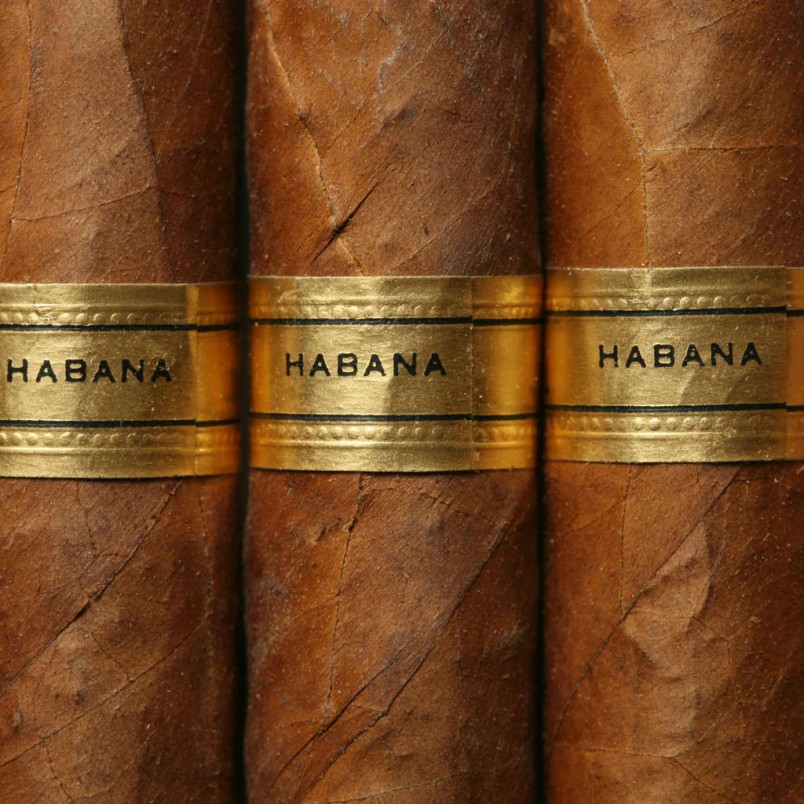
There are cigar cities. London, Geneva, Hong Kong, and Beirut all qualify on their own terms. Then there is Havana, which is something different — the only city on Earth where the leaf, the rolling, the retail, the tradition, and the ritual all live in the same square kilometer. You can stand in the Vuelta Abajo, drive to the Partagás rolling gallery, walk to La Casa del Habano at the Hotel Nacional, smoke what you bought on the patio overlooking the Malecón, and finish the day with a glass of fifteen-year Havana Club at a lounge two blocks away. No other city in the cigar trade offers that continuity.
This is a guide to what is actually worth your time, written for someone who has already smoked enough Habanos to know what to look for.
The lounge scene: where Havana smokes after dark
Havana’s lounges fall into three categories: the LCDH lounges (attached to the official Habanos S.A. franchise stores), the high-end hotel lounges, and the small independent rooms that operate somewhere between bar, restaurant, and casa particular. The best experiences are spread across all three.
LCDH lounges: the daytime default
The LCDH at Club Habana in Miramar is, by most serious aficionados’ reckoning, the single best cigar room in Cuba. The shop occupies part of a restored 1920s sporting club; the lounge is large, properly humidified, and stocked with rums most visitors never get to try. The LCDH at 5ta Avenida is smaller but more serious — fewer tourists, more locals, a sharper staff. The Hotel Nacional lounge is the postcard option: less depth of inventory, but the patio overlooking the Malecón at sunset justifies the trip. Our definitive LCDH-Havana guide covers each location.
Cohiba Atmosphere
In the Gran Hotel Manzana Kempinski La Habana, Cohiba Atmosphere is the only lounge in Cuba that operates as a brand-dedicated Cohiba experience. The setting is more modern than the LCDH lounges — leather, dark wood, a long bar — and the cigar list is heavy on current Behike and Línea 1492 vitolas. The price reflects the location and the brand. The lounge is worth a single visit; for repeat trips, the LCDH options offer better value.
All Mar Cigar Club
A more recent addition operating closer to a private club model, All Mar describes itself as a “hidden destination” and pursues the experience accordingly — discreet entry, pairings led by an in-house specialist, a small membership base. The cigar selection skews toward rare and aged singles. Access tends to flow through reputation and through introductions from people who already smoke there. If your trip is short, skip it. If you’re a returning visitor with local contacts, it rewards the effort.
Casa Abel
Owned by Abel Expósito Diaz — the first Cuban personality named Habano Man of the Year back in 1999 — Casa Abel is part restaurant, part cigar bar, part private storage. The menu integrates tobacco-adjacent ingredients — coffee in sauces, Havana Club in reductions, dark chocolate as a deliberate counterpoint — and the smoking lounge has private lockers where you can leave your own boxes between Havana visits. Worth a full evening, particularly if you’re traveling with non-smoking partners who want a proper dinner attached.
The smaller tabaquerías
Beyond the named lounges, dozens of smaller tabaquerías operate across the city — in Old Havana, in Vedado, in the streets behind the cathedral. Most are honest. Some are tied to the state retail system, some are private restaurants that bought a small humidor and added a smoking room. The quality varies; the value can be excellent for an unhurried afternoon. One persistent caveat: supply of certain prestige releases has tightened over the last two years, and prices in 2026 are noticeably higher than they were in 2019.
The factories: where to spend a morning
The working cigar factories of Havana — Partagás, La Corona, Romeo y Julieta, H. Upmann — are the production heart of the entire Cuban industry. Three are open to visitors on regular tours. Our factory and shop guide covers the visitor experience in detail; the practical summary is that you book through state tourism desks (Infotur, Havanatur) at any major hotel lobby, the tour runs €15–€25 and lasts about an hour, and street vendors offering “factory tours” are running a scam.
Of the three factories accessible to visitors, La Corona offers the most revealing view of the modern Cuban tobacco industry at scale. Partagás carries the most historical weight. Romeo y Julieta sits between them. Pick one for a single visit; serious returning visitors do all three across multiple trips.
The Habanos Festival: the week the city becomes the industry
Every February, the global cigar trade flies to Havana for the Festival del Habano — a week of factory visits, plantation tours, seminars, brand-dedicated evening events, and the Gala Night humidor auction. The 2025 edition (XXV) ran February 24-28 and centered around the 150th anniversary of Romeo y Julieta. The 2026 program, currently scheduled for late February, follows the same template.
If you can structure a trip around Festival week, the experience is unmatched. Tickets sell out months in advance, hotel availability becomes constrained, and the city’s tobacco infrastructure orients toward the visiting trade rather than ordinary tourism. Outside Festival week, Havana is calmer and easier to navigate, and most of what makes the city worth visiting is available year-round.
Smaller cigar tastings and pairing events happen throughout the year at Cohiba Atmosphere, the larger LCDH lounges, and several of the high-end hotels — these typically aren’t advertised broadly and are worth asking about when you check in.
The ritual: rum, coffee, and the long pour
The standard Habana cigar pairing is rum, and the standard rum is Havana Club — locally made, widely available, and produced specifically with the local cigar profile in mind. The seven-year is the workhorse pairing for a Partagás or Hoyo de Monterrey. The fifteen-year (Gran Reserva) works with stronger smokes — a Bolívar or a full-strength Cohiba — though it costs roughly the same as a cigar by the glass at most lounges. For aged cigars, particularly Cohiba Behike or Reserva and Gran Reserva releases, the Selección de Maestros line and the Tributo bottlings reward the extra spend.
The Cuban coffee pairing is underrated. A small cortado alongside a morning robusto — the standard Cuban breakfast smoke — works better than most aficionados outside Cuba realize, particularly with milder vitolas that get overwhelmed by aged rum.
Etiquette is the same as in any serious cigar room. Cut cleanly, toast the foot rather than charring it, take slow draws, let the cigar rest between puffs. Cubans smoke cigars the way Italians drink espresso: deliberately, without rushing, in deliberately quiet conversation.
What to skip
A few honest assessments for first-time visitors:
- Skip the street sellers. Without exception, the cigars are counterfeit. The Cuban government does not distribute through informal channels.
- Skip the “farm roll” cigars sold on bus-group plantation tours. The setting is genuine; the cigars are typically underaged, filler-heavy, and harsh.
- Skip the long flight specifically for Cohiba pricing. The 2022 global pricing harmonization closed that gap. A Behike 56 in Havana costs roughly what it costs at LCDH Madrid or Frankfurt once local taxes shake out.
What still makes Havana worth the trip: aged singles at Club Habana that have been in their humidor since 2015, Edición Regional releases for the Cuban domestic market at 30-50% of European retail, and the experience of smoking a Cuban cigar in the city it was rolled. None of those replicate elsewhere.
The reality of cigar Havana in 2026
A few honest notes about the current state of the city for cigar visitors. Inventory has tightened. Prestige releases are harder to find in volume than they were five years ago, particularly Cohiba Behike and Trinidad. Pricing has moved up substantially since 2022. Payment infrastructure has shifted entirely to cards and prepaid MLC accounts; cash transactions at LCDH stores are no longer routine. US-issued cards remain unreliable due to ongoing embargo enforcement. American visitors cannot legally export Cuban cigars to the United States and have not been able to since 2020.
None of this changes the fundamental case for visiting. The factories, the lounges, the LCDH network, and the lived cigar culture remain unique to Havana. They are increasingly expensive, but they are still real. Five hundred cigar cities exist in the world. Only one is the actual capital.
Plan your trip around two LCDH visits, one factory tour, one long evening at Casa Abel or Cohiba Atmosphere, and one quiet morning at a smaller tabaquería with a cortado and a Hoyo de Monterrey Epicure Especial. Bring receipts home. Skip the street offers. Smoke deliberately. Havana is not a city that rewards rushing, and a cigar is not a thing that rewards being rushed. The two were made for each other.