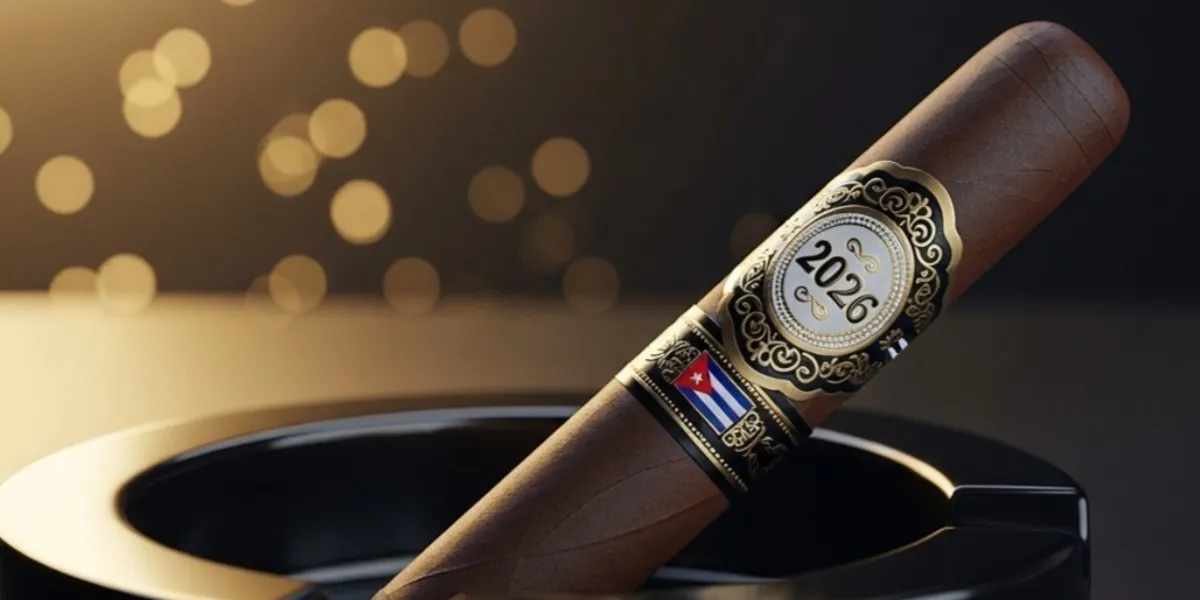
10 Essentials Every Cigar Aficionado Should Master
🥃 10 Essentials Every Cigar Enthusiast Should Master
Lighting your first cigar is only the opening chapter. To truly appreciate the craft, you need to understand the intricate threads that run from seed to smoke. This in-depth guide unpacks the science, artistry, and culture behind each draw, empowering you to become a genuine connoisseur.
1. The Origin Story: Seed, Soil, and Climate
Every cigar’s character begins with its tobacco genetics and the environment in which it’s grown.
- Seed Selection• Criollo, Corojo, Habano and hybrid seeds each impart unique flavors.• Greenhouse nurseries ensure only the strongest seedlings reach the field.
- Soil Composition• Calcium-rich red clay (Vuelta Abajo) vs. sandy, volcanic loam (Nicaragua)• Mineral content influences sugar development and absorption of rainwater.
- Microclimate Effects• Altitude, humidity, and temperature swings shape leaf thickness and oil content.• Day-night temperature differentials (diurnal shifts) intensify tobacco’s natural aromatics.
2. Fermentation Unveiled: Chemistry in Motion
Fermentation isn’t just “letting tobacco sit.” It’s a controlled chemical transformation.
- Bulk vs. Cask Fermentation• Leaves piled into pilones generate heat (up to 70 °C) to drive out ammonia.• Barrels or casks can be used for special fermentation, adding subtle woody notes.
- Microbial Allies• Native yeasts and bacteria convert starches into simple sugars and aromatic esters.• Periodic “turning” of piles ensures even heat distribution and flavor consistency.
- Temperature & Humidity Control• Maintaining 65–70% RH prevents mold while allowing enzymatic reactions.• Thermometers and hygrometers are essential tools for master blenders.
3. Aging Dynamics: Time as the Ultimate Blender
Aging isn’t filler— it’s flavor engineering.
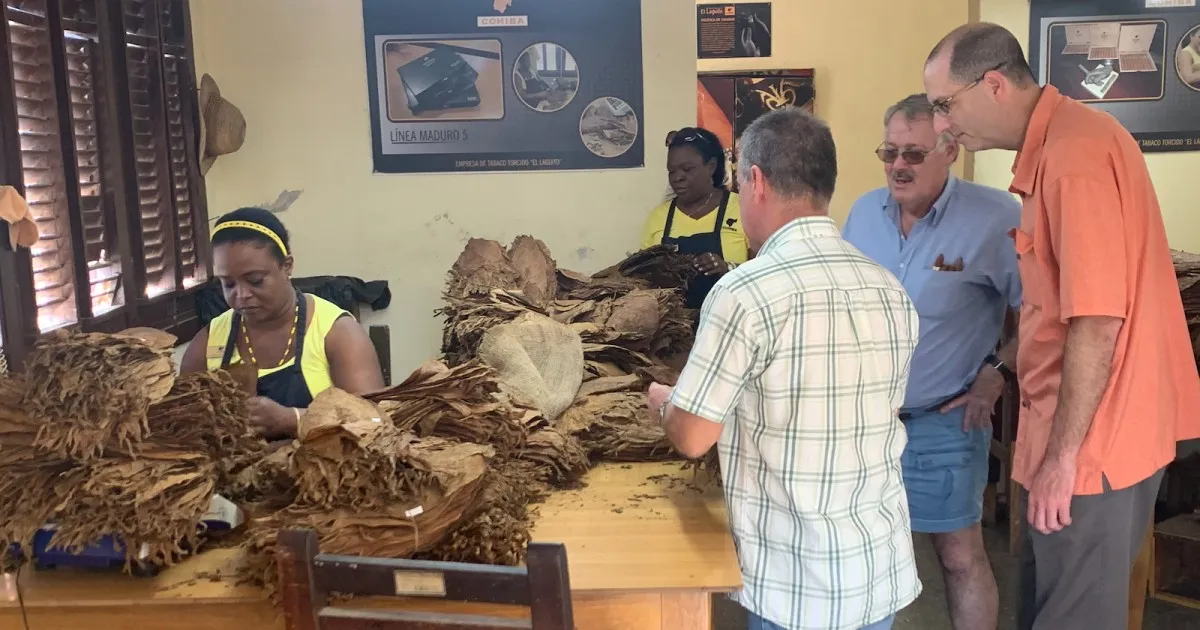
- Pre-Roll Aging• Tobacco leaves rest in burlap-wrapped bales for 2–5 years, softening harsh edges.• Aromatic compounds meld, creating smoother sweetness and richer mouthfeel.
- Post-Roll Aging• Finished cigars age in cedar-lined rooms to “marry” wrapper, binder, and filler.• Optimal times vary: mild cigars may need 6 months, while full-bodied blends benefit from 2+ years.
- Packaging & Environment• Vacuum-sealed tubes vs. premium wooden boxes— each impacts humidity retention.• Seasonal temperature swings can be mitigated with digital humidors.
4. Anatomy & Architecture: Wrapper, Binder, Filler
Understanding each leaf’s role is key to appreciating a blend’s complexity.
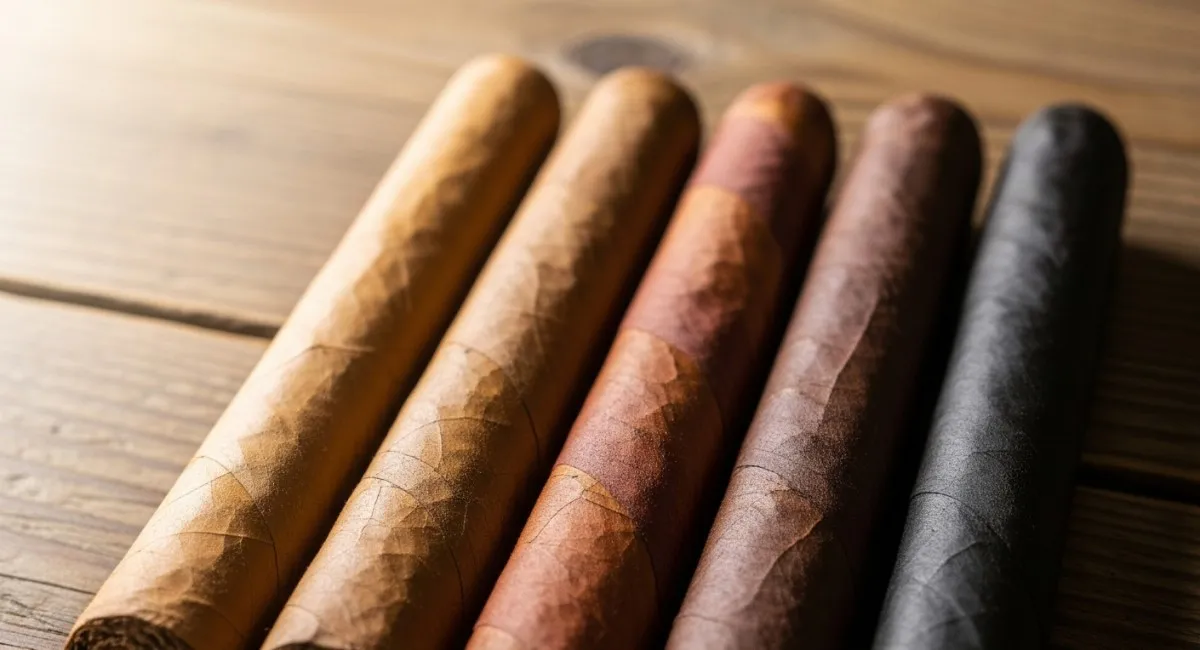
ComponentFunctionCharacteristicsWrapperAesthetic + FlavorThin, elastic; direct impact on tasteBinderStructureThick, elastic; holds filler togetherFillerFlavor CoreBlend of ligero, seco, volado leaves
- Wrapper Varietals• Connecticut Shade: Creamy, gentle spice• Maduro Broadleaf: Dark chocolate, coffee notes• Ecuadorian Habano: Bright citrus, pepper spice
- Binder & Filler Synergy• Ligero leaves (top primings) for strength• Seco and volado (middle/bottom) for smoothness and burn stability
5. Precision Cutting: The Gateway to Flavor
The first incision dictates airflow and taste delivery.
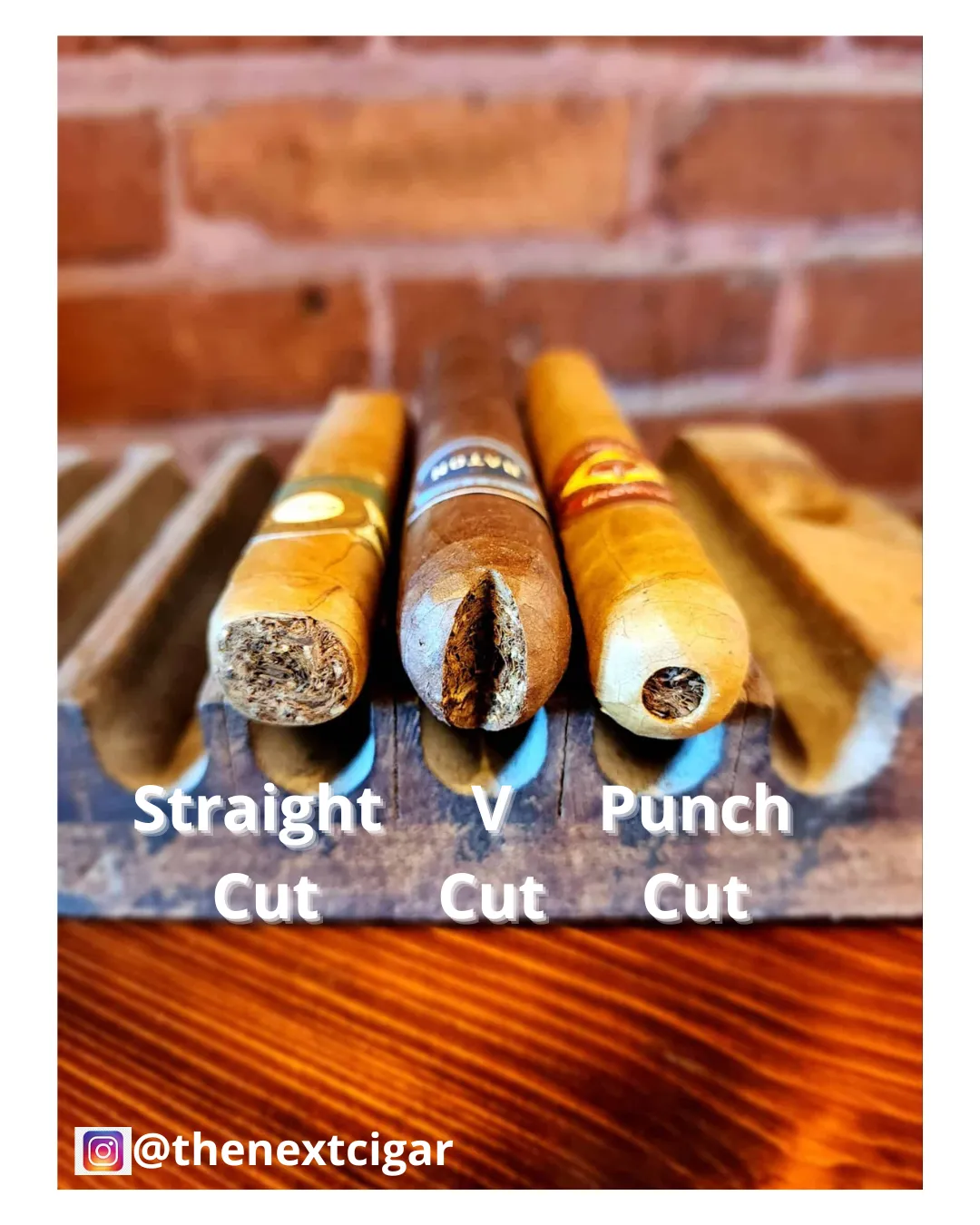
- Cutter Types• Straight guillotine: Clean, full-bodied draw• V-cut: Concentrates smoke for richer flavor• Punch: Restricts airflow for gentler intensity
- Cut Angle & Depth• Shallow cuts avoid wrapper cracking.• Angled cuts increase surface area, enhancing flavor release.
- Common Mistakes• Using dull cutters— leads to tearing• Cutting too far— causes draw issues and can unravel the wrapper
6. Lighting Mastery: Ignition as Ritual
A proper light sets the tone for every puff that follows.
- Flame Selection• Butane torch: Odorless, hottest flame• Cedar matches: Subtle wood aroma; let sulfur burn off first
- Toasting Technique• Hold the foot above the flame at a 45° angle.• Rotate until the entire circumference is evenly charred.
- Final Ignition• Draw slowly as you move the flame in for the first glow.• Inspect the foot— it should glow uniformly red.
7. Smoking Techniques: The Art of the Draw
A cigar is meant to be savored, not inhaled.
- Puff Frequency• Aim for one puff every 30–60 seconds.• Over-puffing overheats tobacco, creating harsh flavors.
- Temperature Control• Let the cigar rest between draws to cool the ember.• Use ash length (1–1.5 inches) as a visual cue for pacing.
- Flavor Profiling• Monitor how flavors evolve: initial spice, mid-smoke sweetness, final earthiness.• Keep tasting notes— it trains your palate over time.
8. Ash & Burn Management: Visual Harmony
Ash isn’t waste—it’s a scoreboard of your burn quality.
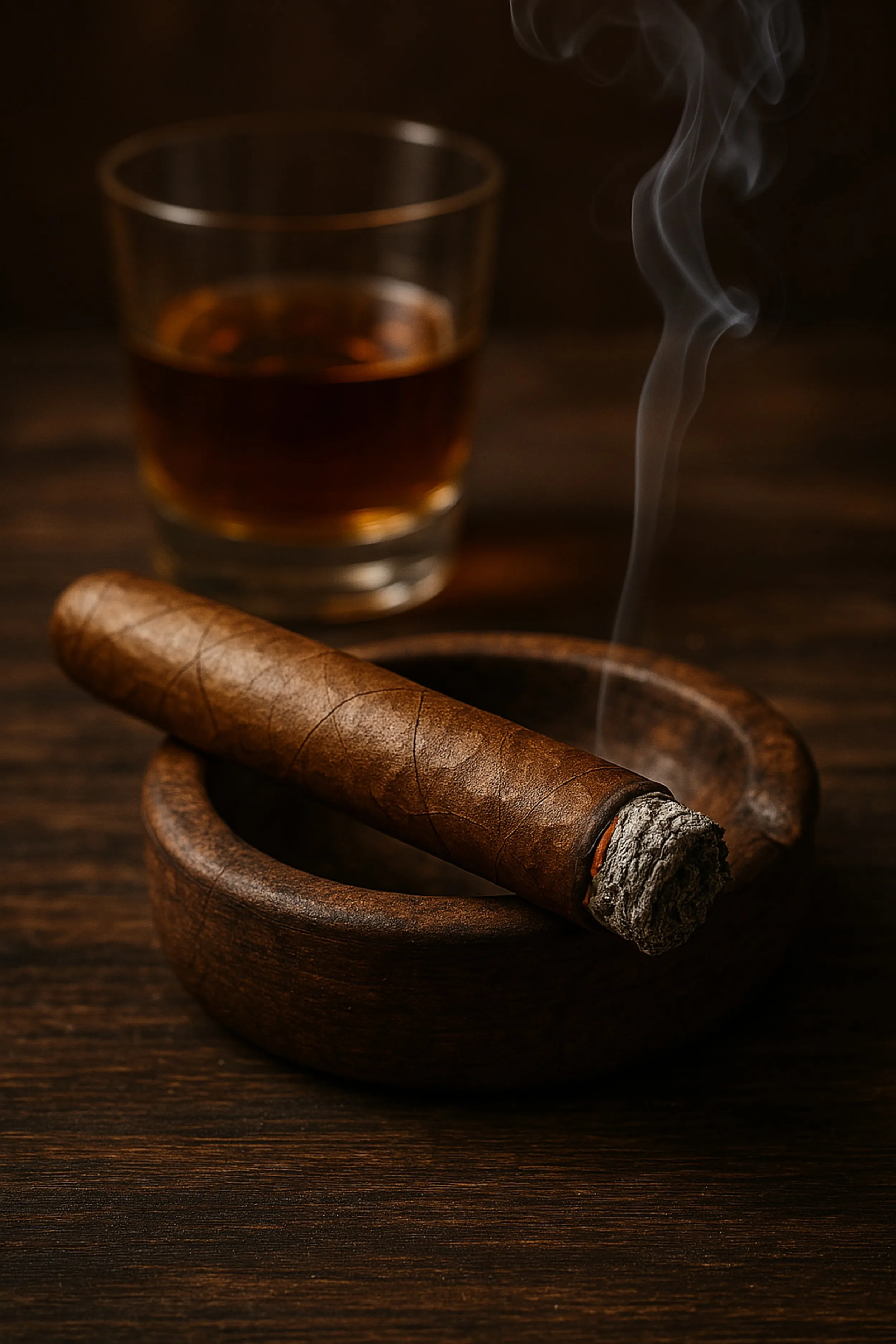
- Ash Length• A long, firm ash indicates even combustion.• Tap gently; avoid knocking off chunks.
- Touch-Ups• Use your lighter to correct “canoeing” (uneven burn).• Rotate the cigar while heating to maintain balance.
- Relights• Frequent relights can dry out the cigar— allow it to cool fully before re-igniting.
9. Storage Science: Crafting the Perfect Humidor
Your humidor is a living, breathing ecosystem.
- Calibration & Monitoring• Use digital hygrometers and thermometers— analogue gauges can drift.• Season your humidor with distilled water or a 50/50 propylene glycol solution.
- Humidification Methods• Crystal gel packs vs. Boveda packs vs. sponge/foam systems• Each has pros for maintenance ease, stability, and cost.
- Organization & Rotation• Rotate cigars every few months to ensure even humidity exposure.• Group by size and wrapper type to streamline selection.
10. Culture & Etiquette: The Social Liturgy
Cigars are as much about camaraderie as they are about tobacco.
- Hosting a Smoke Circle• Provide cutters, lighters, ashtrays, and tasting notes.• Encourage respectful pacing— no rush, no inhale.
- Cigar Clubs & Events• Local lounges often host tastings, pairing nights, and factory tours.• Collect limited editions together— share insights and samples.
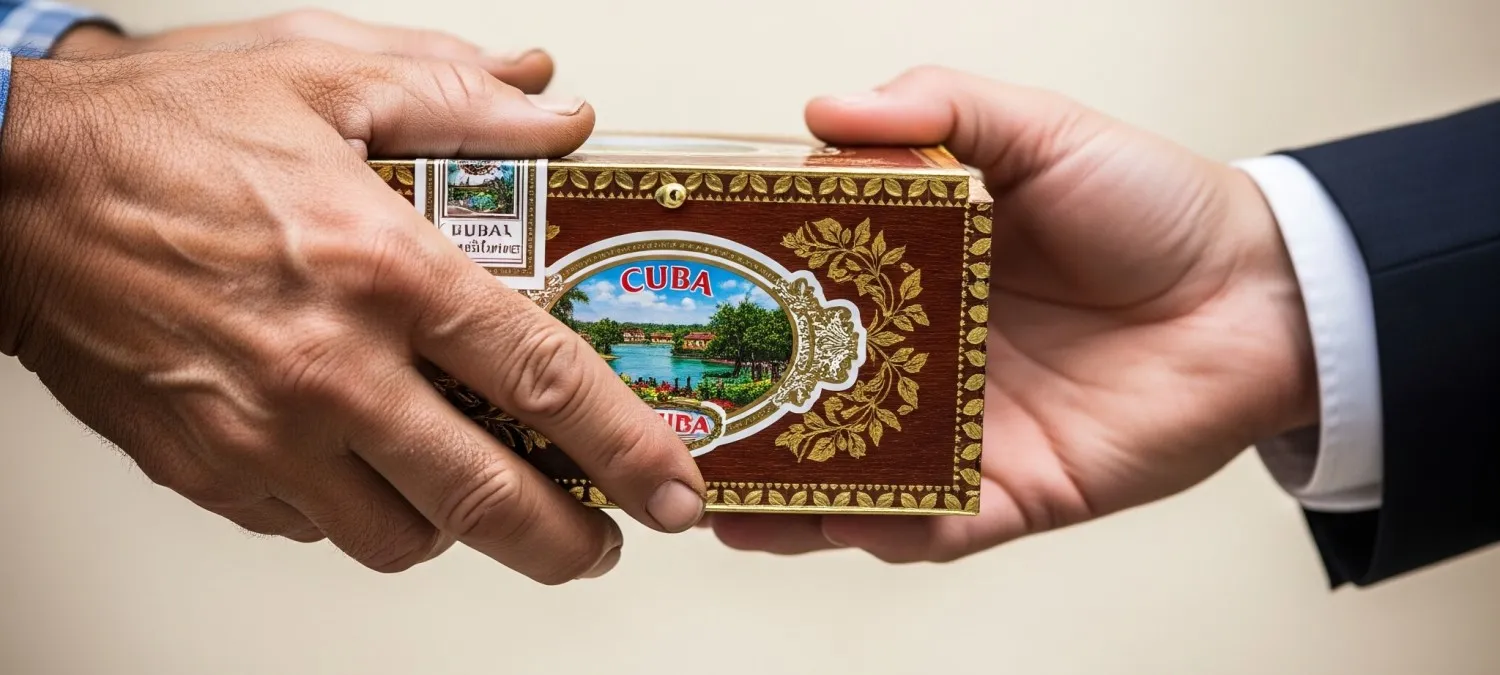
- Collecting & Gifting• Number your boxes and log aging dates.• Personalized bands or seals elevate the gift experience.
Filed under
Cigar 101