
Collecting Vintage Cigars: A Guide for the Serious Aficionado
How to actually build a vintage cigar collection — where to source pre-embargo Cubans, what humidity and temperature really age cigars rather than ruin them, and which factors drive the value at auction.

Most cigars are made to be smoked within a year of their release. A small minority — the ones with the right tobacco, the right construction, and the right storage history — get better instead of older. That smaller minority is what serious collectors actually trade, and it operates by a different set of rules than the cigar you bought at the local shop last Saturday.
This is the practical guide. Where to find vintage cigars without losing money to fakes, how to store them so they actually improve rather than slowly decay, and the four factors that determine what a box is worth when it reaches auction.
What “vintage” actually means in cigar collecting
There is no formal industry definition, but the working one used by Christie’s, Bonhams and the established London tobacconists splits the category three ways. Pre-embargo Cubans are cigars rolled in Cuba before John F. Kennedy signed Proclamation 3447 on February 7, 1962 — the executive action that closed the US market to Cuban tobacco and instantly created the most documented vintage cigar category on Earth. Pre-2000 production sits in a second tier, valued for the aged tobacco profile, the older blends from brands like Cohiba and Davidoff Cuban that have since changed factories, and the simple fact that supply is fixed. Aged regular production (cigars rolled in the past 20 years and box-aged from new) is where most working collectors actually operate, because the supply is real and the provenance can be tracked.
The investment-grade pre-embargo material is a different game. Cigar Aficionado’s reporting on the major auctions consistently shows hammer prices in the five and six figures for documented pre-embargo Davidoff and Dunhill lots. That is the part of the market most readers will read about rather than participate in. The aged regular production market is where most collections actually get built, and where the principles below will save you the most money.
Finding: where the real boxes come from
There are four channels that consistently produce authentic vintage cigars. There are also a dozen channels that produce convincing fakes. Knowing the difference is the first job.
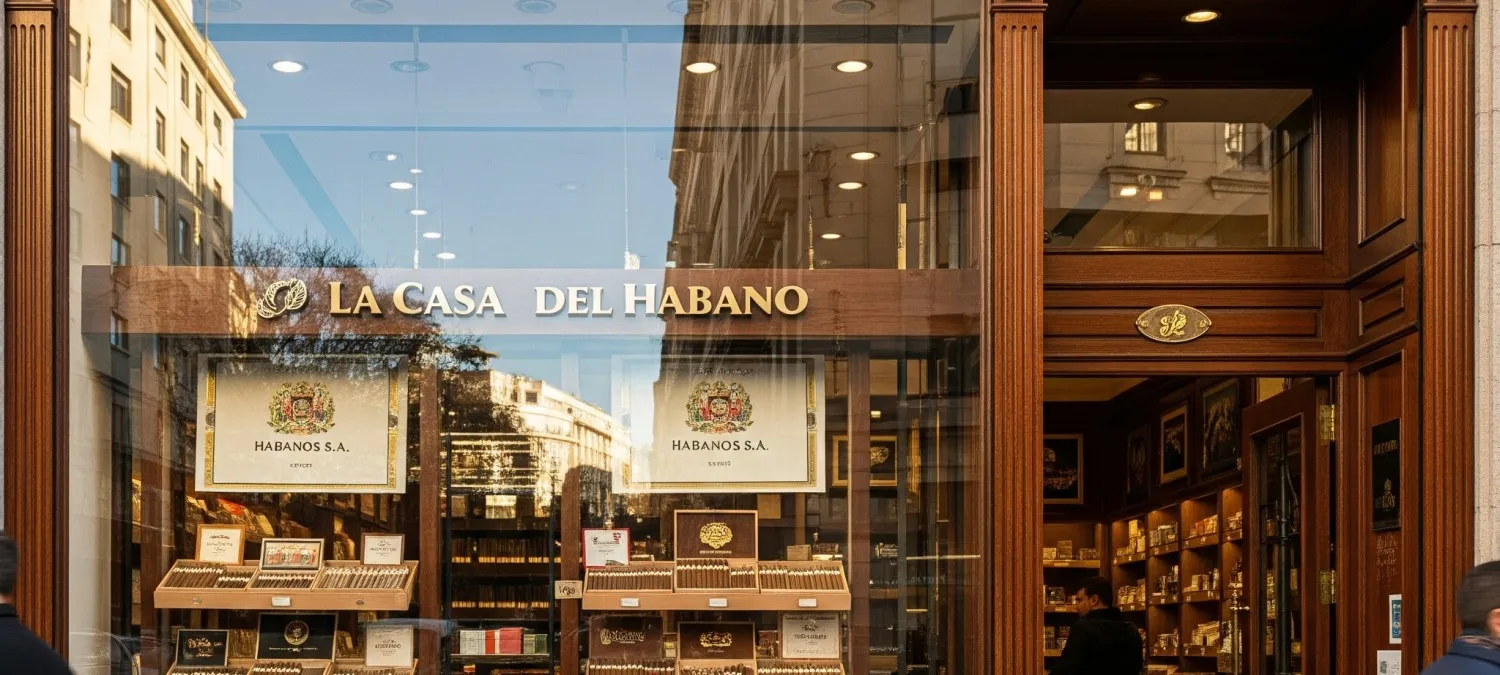
Established tobacconists with a documented vintage room. Davidoff of London, Dunhill, J.J. Fox, Sautter of Mayfair, La Casa del Habano flagships in Madrid and Geneva — these shops have been buying back, cellaring and reselling aged stock for decades. The markups are real, but you are paying for a chain of custody. A box bought from Sautter with their documentation is a box you can sell to another serious collector tomorrow without an authentication argument.
Auction houses. Bonhams and Christie’s have run dedicated cigar auctions for years, with C.Gars Ltd in London running the most consistent specialist sales. Auction houses do the provenance work in advance, the catalogue notes are usually reliable, and the buyer’s premium is the price you pay for that diligence. Pre-embargo Dunhill Cabinettas and Davidoff Dom Pérignon lots are the headline material; aged Cohiba humidors from the 1990s and early 2000s are where most working bids land.
Private collector networks. The serious cigar collector world is small enough that almost everyone with a meaningful collection knows almost everyone else. Forums and member groups facilitate trades and quiet sales, often at significantly better pricing than auction once you have established yourself as a known buyer. Provenance is the entire game here. A box that has been in the same humidor for fifteen years with photographs and humidity logs is worth materially more than the same box with an unknown storage history.
Estate sales and inheritance liquidations. The longest shot and the most romantic story — a box of pre-embargo Romeo y Julieta turning up in a Connecticut basement happens, occasionally. The catch is that storage history is unknown, the boxes have usually been opened, and authentication on uncatalogued lots is genuinely hard. Worth pursuing only if you can authenticate yourself or have a relationship with someone who can.
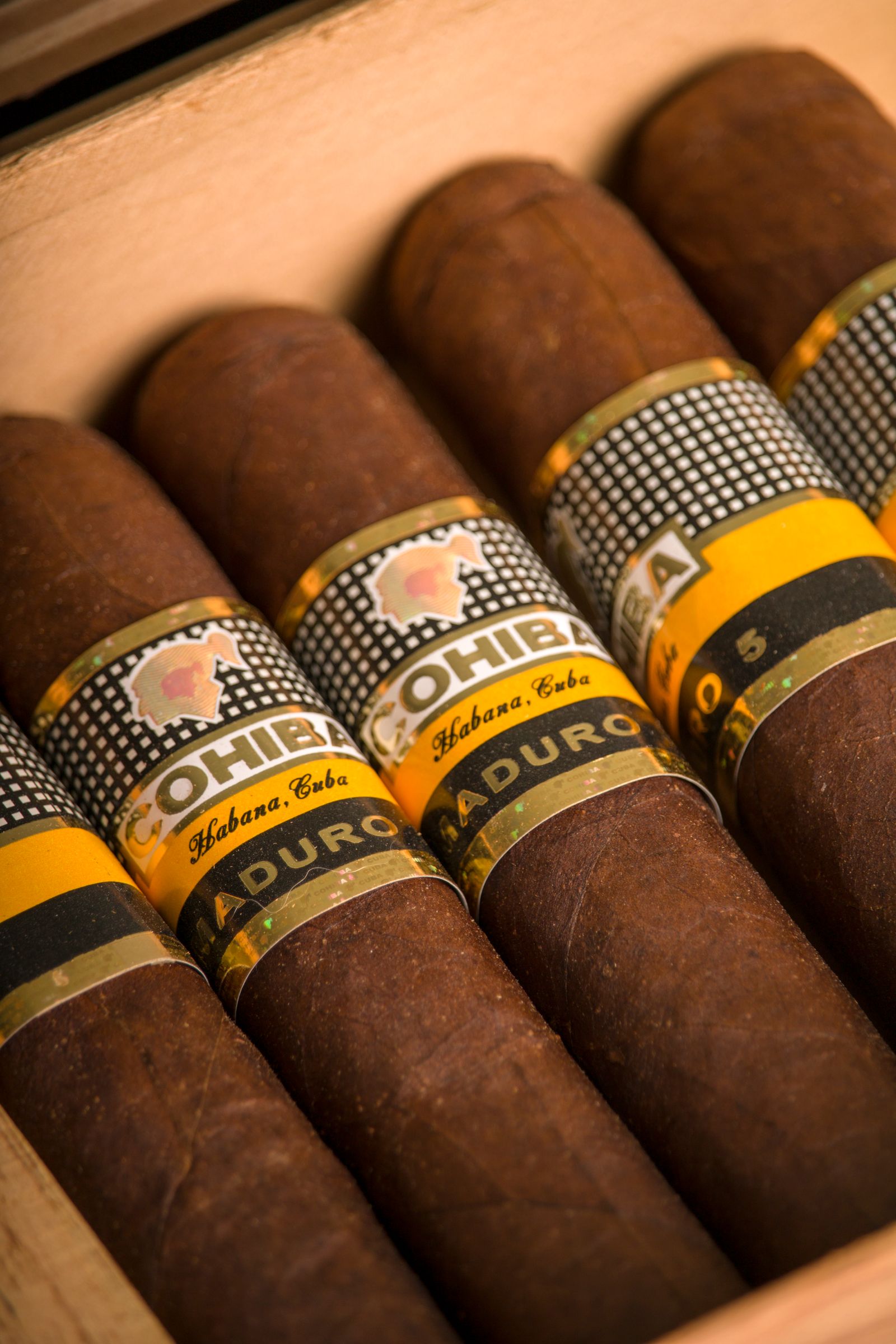
A working rule on counterfeits: the Cuban brands most aggressively faked are Cohiba, Montecristo and Trinidad, in that order. Familiarity with period-correct bands, the warranty seal evolution from the 1960s through the current holographic stamps, factory codes, and box construction is non-negotiable. If a deal looks materially better than what the London tobacconists are charging, the deal is almost certainly a fake.
Storing: the numbers that actually matter for aging
The widely repeated “70/70 rule” — 70% relative humidity, 70°F — is a rule for cigars you intend to smoke within the year. It is the wrong rule for long-term aging. At 70% RH and 70°F, tobacco oils don’t mellow gracefully; they migrate. Plume formation becomes hard to distinguish from early mould. And the cigar beetle (Lasioderma serricorne) hatches reliably from any latent eggs at temperatures above 72°F, which is the worst single thing that can happen to a vintage box.
The numbers serious collectors actually run:
- Relative humidity: 63–65%. Lower than the standard recommendation because the goal is slow oil polymerisation, not maintaining the as-rolled draw.
- Temperature: 16–18°C (60–65°F). Cool enough to lock the beetle cycle, stable enough that the tobacco doesn’t repeatedly expand and contract.
- Stability above all else. A humidor that holds 67% RH steady will outperform a humidor that swings between 62% and 68%. The damage from cycling is real.
The standard setup for any collection above a few thousand euros in value is a temperature-controlled cabinet or wine-fridge conversion (a “wineador”) with a calibrated hygrometer, Boveda packs in the correct percentage for backup, and Spanish cedar lining. Mixing a vintage collection with everyday smokes is the most common mistake new collectors make — a young, strong cigar will push its profile onto an aged neighbour within months, and the year you spent waiting for that aged Partagás Lusitania to find its balance is undone.
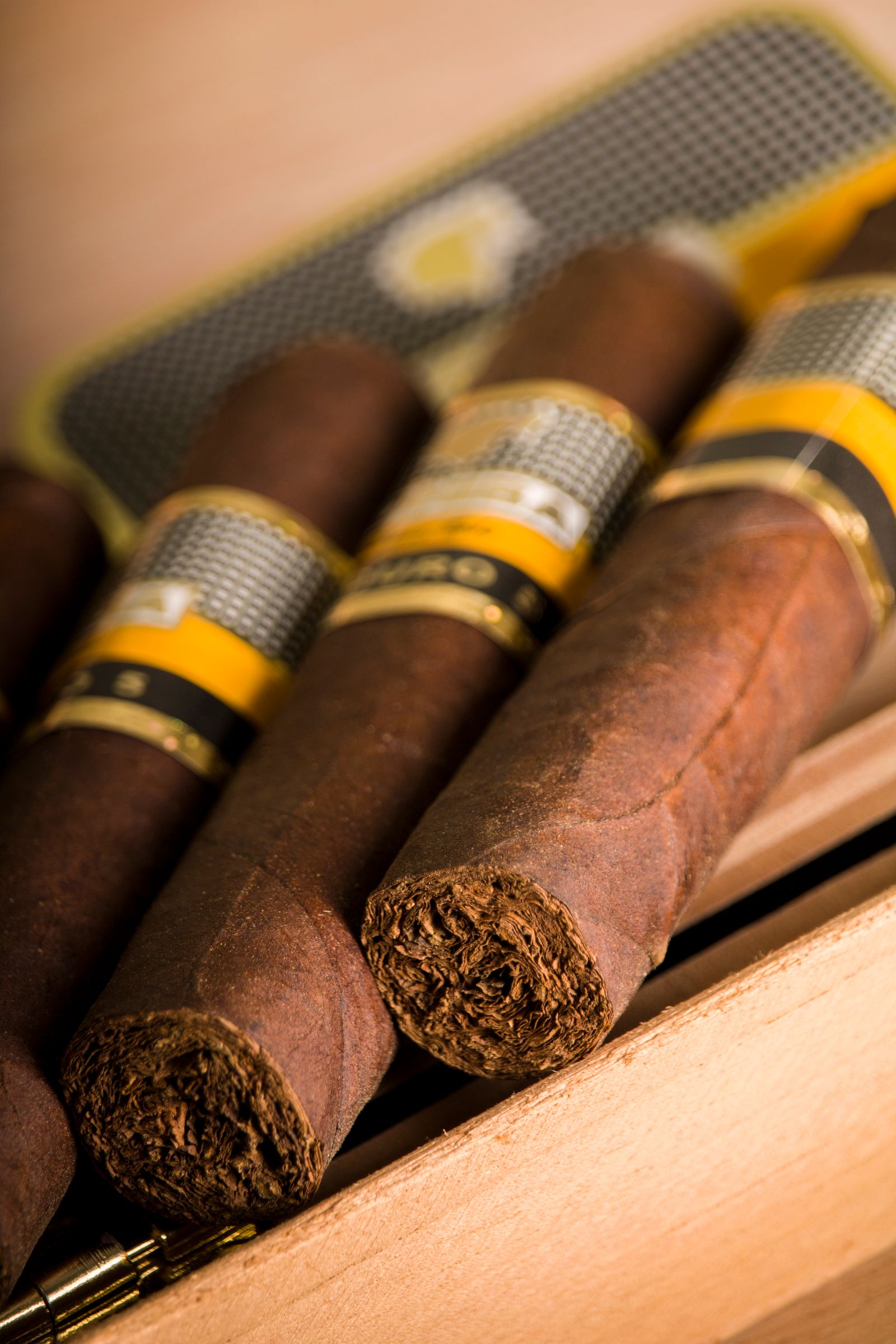
The other rule: age cigars in their original sealed boxes wherever possible. The cedar interior of an unopened Habanos box creates a stable micro-environment, and the cigars within mature together — the marrying of profiles that gives aged Cuban boxes their characteristic harmony. Opened boxes age too, but unevenly. For aging guidance and humidor setup, our proper cigar storage guide walks through the working setup in more detail.
Valuing: what makes one box worth ten of another
The four factors that drive vintage cigar valuation, in roughly the order auction houses weight them:
Provenance. First and last. A box with a documented chain of custody — original receipt, dated photographs, humidity logs, a known previous collector — sells at a meaningful premium over the identical box without that paper trail. The reason is simple: a buyer paying real money needs to know the box is what the label says it is and has been stored properly for the claimed period. Without documentation, every claim is uncertain.
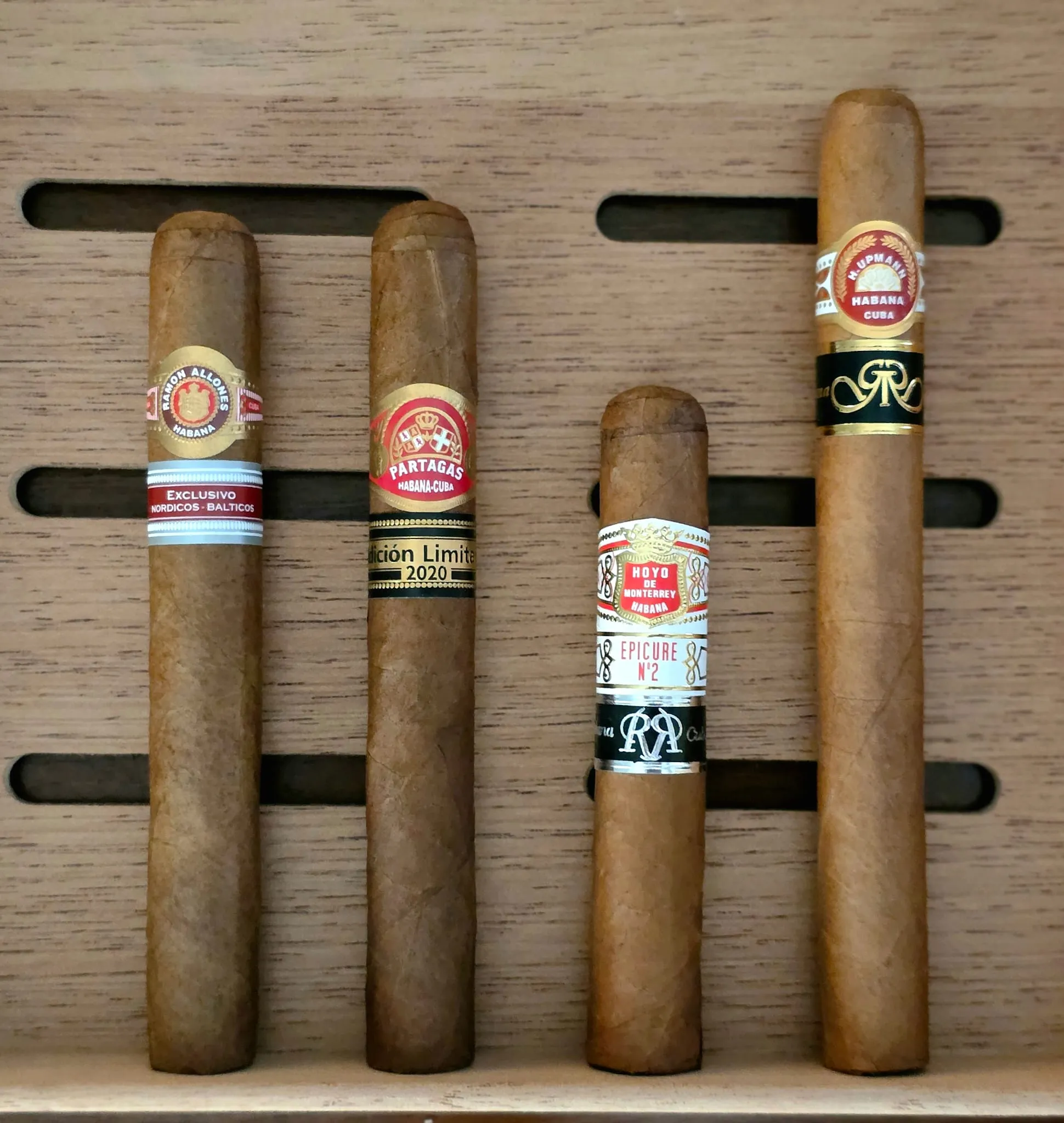
Brand and factory code. The pre-embargo Cuban brands — H. Upmann, Romeo y Julieta, Partagás, Hoyo de Monterrey — set the price ceiling. Within those, the factory of origin matters: an early El Laguito Cohiba (Cohiba’s pre-1982 production for diplomatic gifts) is in a different price tier from the same brand a decade later. For an authoritative reference on the brand hierarchies and what makes specific releases collectible, the Habanos Specialist guide to Reserva, Gran Reserva and Edición Limitada releases covers the modern equivalents of what tomorrow’s vintage market will trade.
Rarity and discontinuation. Limited editions, regional releases, and discontinued vitolas are scarcer by definition and command the corresponding premium. A discontinued Trinidad Fundadores from the early 1990s is rarer than the brand’s current production by orders of magnitude, and the market prices it accordingly.
Physical condition. Wrappers must be intact — no cracks, no mould, no beetle exit holes (the small round perforations that signal a catastrophic outbreak). For box collectors, the original outer carton, factory seal, and label condition matter as much as the cigars themselves. A perfect box with imperfect cigars sells; imperfect cigars in an imperfect box are scrap.
The realistic collector’s strategy in 2026
For a new collector in 2026, the actual playbook is not “buy pre-embargo Cubans.” It is “buy aged regular production from documented sources now, age it properly, and decide in ten years whether you are a smoker or a seller.” The relevant macro context: the post-Imperial Brands ownership change at Habanos S.A. has driven Cuban cigar pricing up sharply over the last four years, and the proposed EU tobacco tax directive would push European retail prices significantly higher again if it passes. Aged Cuban inventory bought today at 2026 prices is functionally cheaper than the same inventory will be in 2030, regulatory environment and currency aside.
The categories worth concentrating on are the ones that will be retroactively interesting: the current Edición Limitada releases that ship with two-year-aged tobacco, the Reserva and Gran Reserva releases that age further on the shelf, and the Regional Editions allocated to markets that are now harder to buy out of. Buy boxes, not singles. Document the purchase. Run the humidor properly. Wait.
The collectors who built the great cellars of the 1990s did exactly this, and the boxes they bought as new releases are what auctions are now selling for the prices that get cigar enthusiasts excited. The opportunity has not closed; it has just moved one generation forward.
Filed under
Cigar Culture