
Havana's Heartbeat: A Guide to Cigar Factories and Official Shops
Inside Havana's working cigar factories and the official shops that carry their output — Partagás, La Corona, Romeo y Julieta, the LCDH network, and how to tell a real Cuban cigar from a convincing fake.
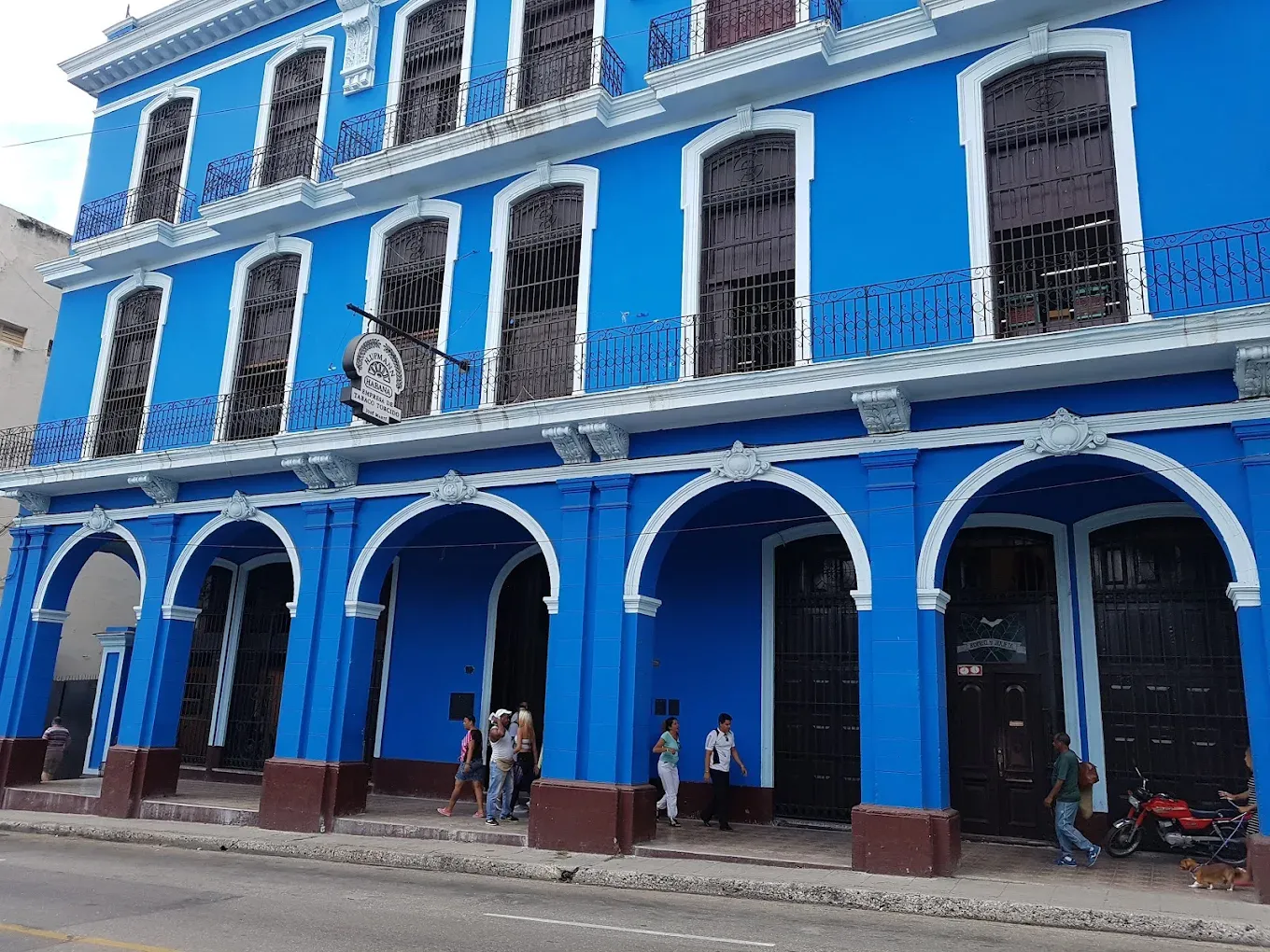
A Habano is the product of around 200 individual hands moving through about 100 distinct steps. Most of those hands work inside a half-dozen buildings in central Havana, in rooms that look essentially the way they looked in 1925. You can visit them. You can stand in the rolling gallery while the lector reads aloud from a Cuban newspaper at one end of the room and 80 torcedores shape filler with their fingers at the other. You can buy the cigar that came off a workbench you watched it leave forty minutes earlier.
This is the part of cigar tourism that no other country can replicate. Here is how to do it properly.
The factories that are actually open to visitors
Cuba’s working cigar factories — the fábricas — are managed by Habanos S.A. through its production arm. Several are open to organized tours; several others have been closed for restoration for years and are currently inaccessible. The roster shifts. As of 2026, three factories form the realistic visitor circuit.
Real Fábrica de Tabacos Partagás
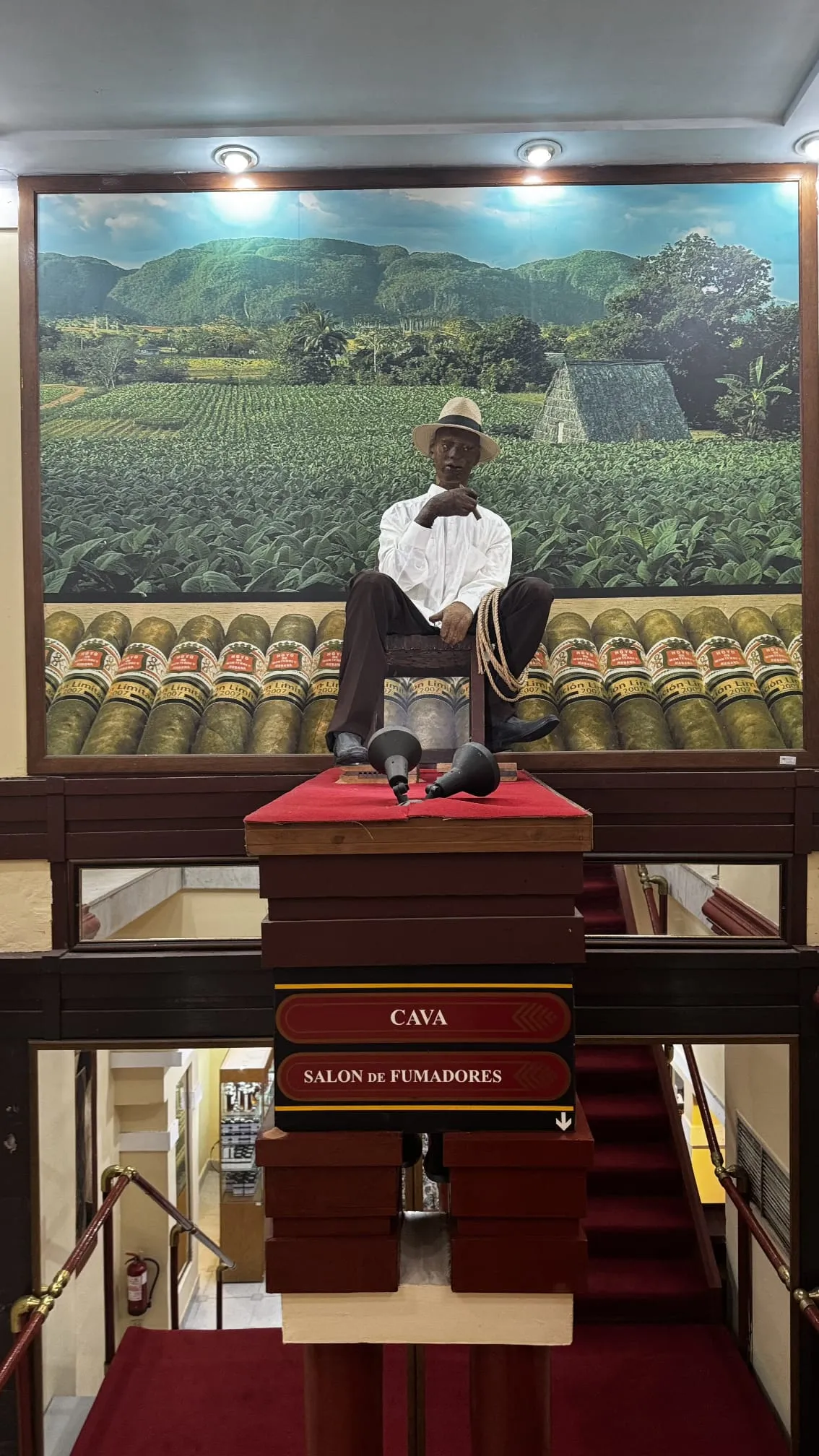
The original yellow Partagás building at Industria 520, directly behind the Capitolio, is the most photographed cigar factory on Earth. It has also been closed for restoration for over a decade. Production was relocated and continues in a different building, and the tour route follows the production. Visitors are walked through the standard fábrica sequence: La Escogida (the sorting floor, where wrapper leaves are graded by color, texture, and elasticity by mostly women workers with thirty years of experience), the moistening chambers (where the leaves are gently rehydrated before rolling), and La Galera (the rolling gallery itself).
The lector tradition continues here. Since the 1860s, a hired reader has sat on an elevated platform reading newspapers, novels, and political pamphlets aloud to the rollers — a practice unique in modern manufacturing and the reason cigar names like Romeo y Julieta and Montecristo were chosen (rollers voted on which novels they wanted read). The tradition is not staged for tourists. The lector is reading because the rollers wanted news this morning.
La Corona
A larger, more industrially configured operation that handles the production of Hoyo de Monterrey, Punch, San Cristóbal de La Habana, and several smaller marques. The tour is less atmospheric than Partagás but more revealing of the modern Habanos production system: the volume, the quality control stations, the rooms where cigars are graded by weight, length, and draw resistance before being sent for aging. If you want to understand the scale of the industry, La Corona is the more educational visit.
Romeo y Julieta
A historically heavy factory currently producing several brands beyond the marque it’s named for. The building itself is worth the visit — the rolling gallery has been in continuous operation since the 19th century, and the upper floors still feel the way they did in the 1930s. Tour content overlaps with Partagás; choose based on availability and schedule.
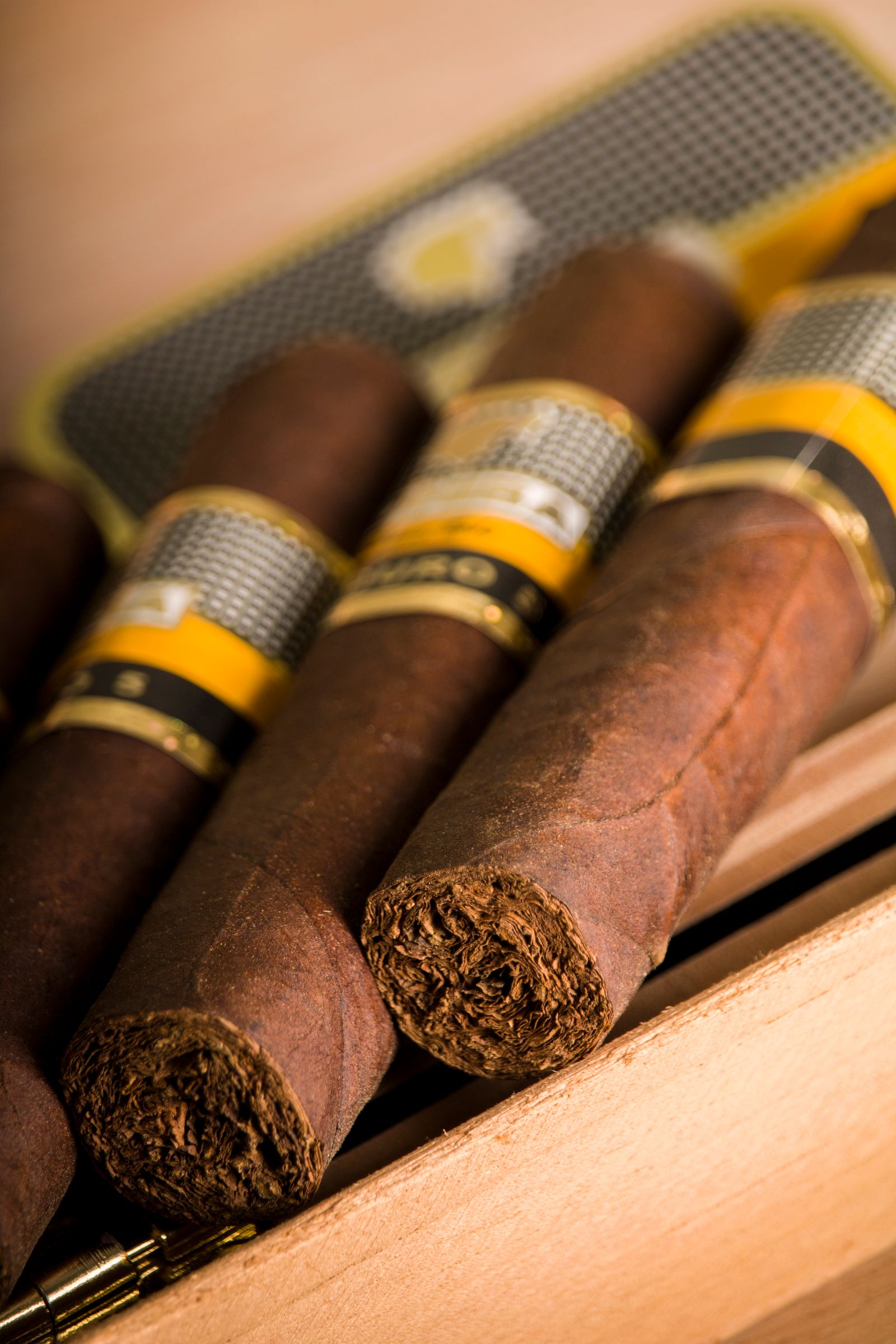
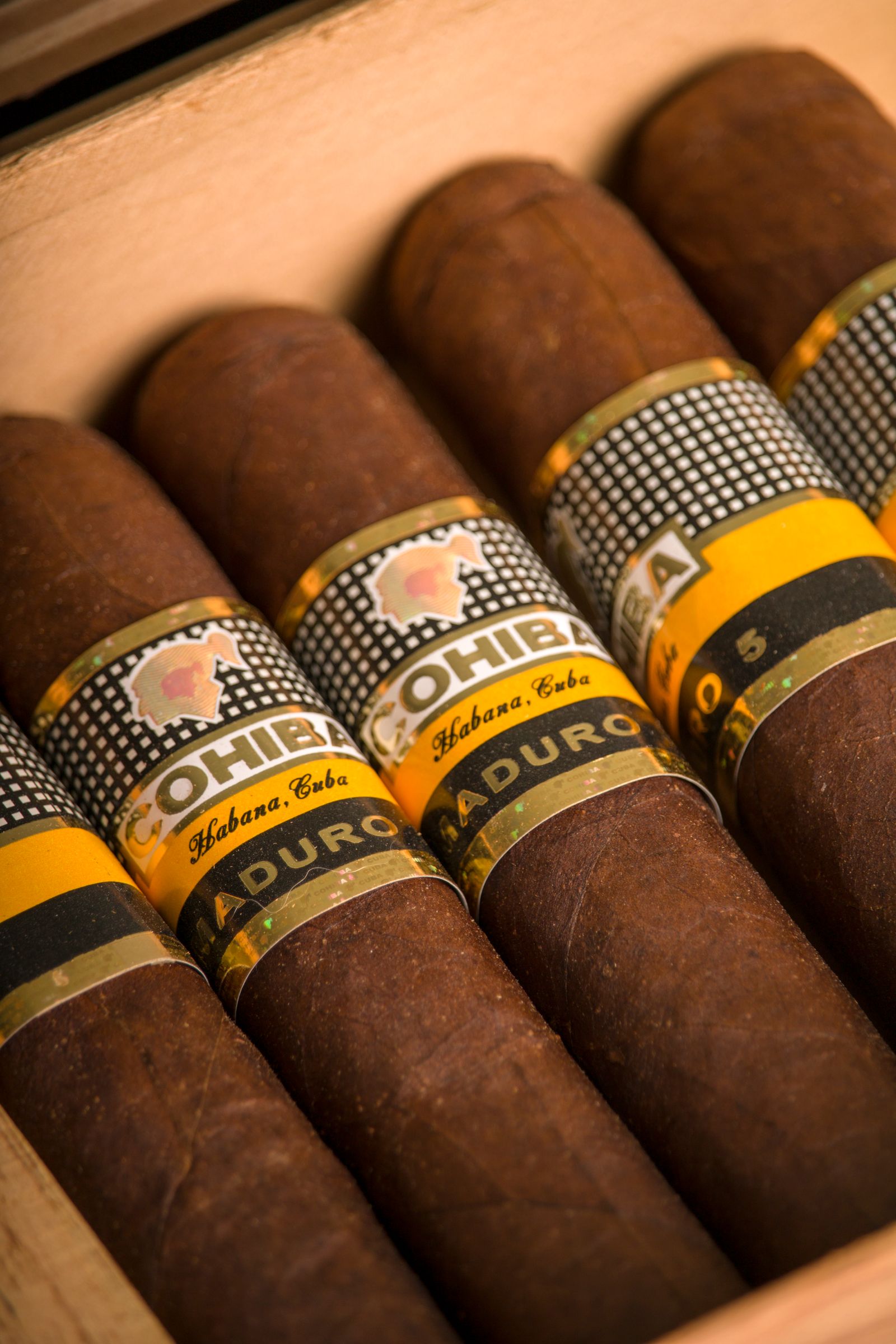
The H. Upmann factory (Old Havana) and the famous El Laguito facility — where Cohiba is rolled by a tightly controlled team of senior torcedores — are not generally open for public tours. El Laguito remains closed to all but credentialed industry visitors, which is one of the reasons a Cohiba carries the price tag it does.
Booking the tour
The single rule that matters: do not buy tour tickets from anyone who approaches you on the street. Legitimate factory tours are sold through state-run tourism desks — Infotur and Havanatur — operating in the lobbies of most major hotels. A standard tour runs €15–€25, lasts roughly an hour, and runs Monday to Friday in two morning shifts. Photography is restricted; ask before taking close-ups of any individual roller. Tipping the guide €5–€10 is customary.
The street vendors selling “factory tours” are running the same operation as the street vendors selling counterfeit Cohibas. The destination, when it exists at all, is a back-room performance with rollers paid to look authentic.
The official shops: where the cigars actually come out
Once you’ve seen how the cigar is made, the next question is where to buy one. In Havana, the answer falls into three tiers.
Tier one: La Casa del Habano
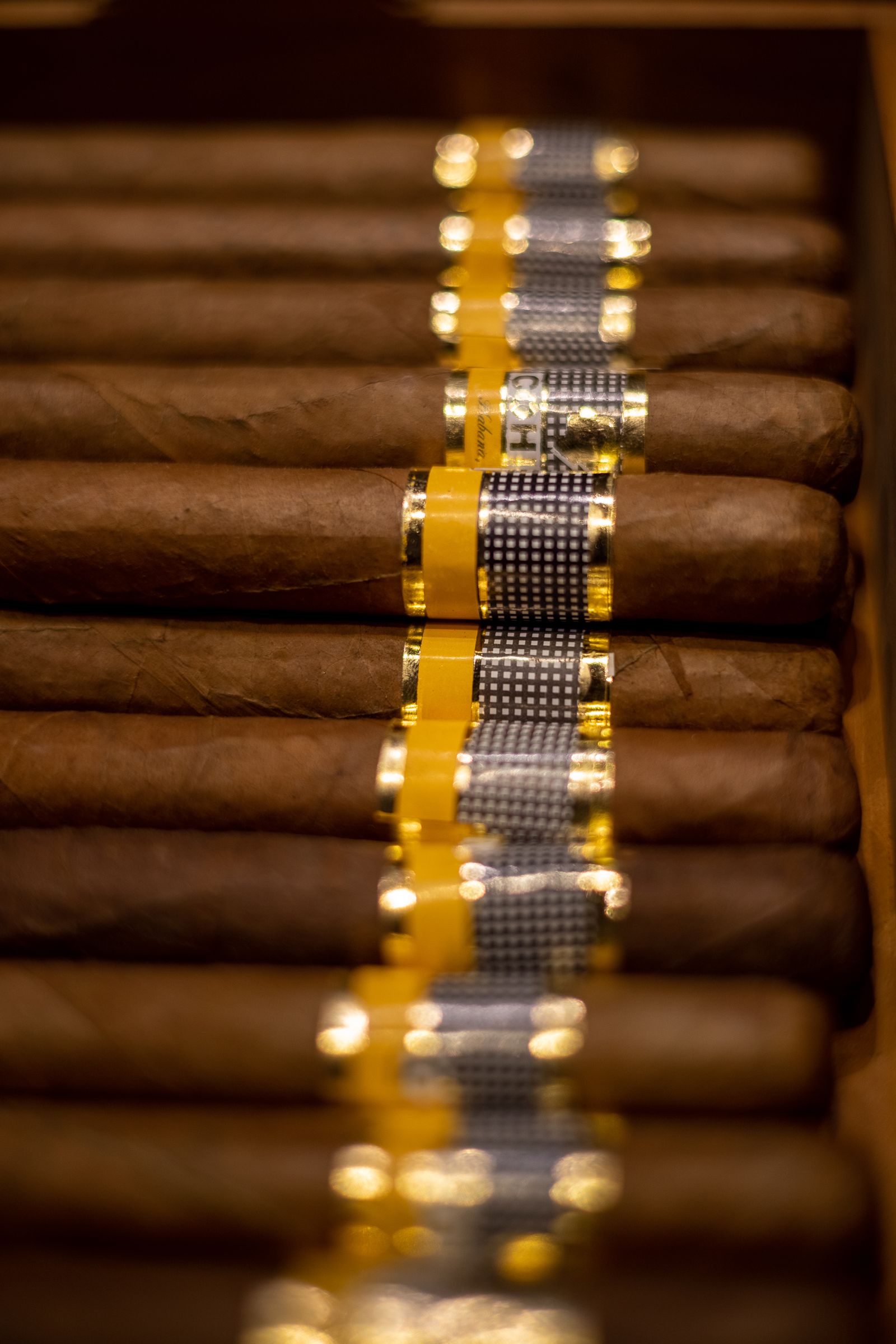
The flagship retail concept Habanos S.A. operates worldwide. In Havana, the LCDH network includes Club Habana, 5ta Avenida, the Hotel Nacional, Meliá Cohiba, Meliá Habana, Habana Libre, and the Partagás-adjacent location at Bernaza and O’Reilly. Authenticity guaranteed, walk-in humidors, lounges where permitted, the broadest selection of Edición Regional and LCDH-Exclusive releases. Our full guide to LCDH in Havana covers each location in detail; the short version is that Club Habana and 5ta Avenida are the two most serious destinations.
Tier two: Habanos Specialists
A separate official designation, one tier below LCDH but equally guaranteed for authenticity. These shops are scattered across Havana, particularly in hotel lobbies and tourist-adjacent retail spaces. Selection is narrower, lounges are smaller or absent, and Regional Editions are less reliably stocked. But the boxes are real, the seals are intact, and prices are sometimes marginally lower than at LCDH equivalents.
Tier three: hotel Tiendas de Tabaco
State-run tobacco shops in hotel lobbies. Acceptable for common production cigars — a Montecristo No. 4 or a Romeo y Julieta Wide Churchill — and a perfectly legitimate option if you want a single for tonight without crossing the city. Inventory is limited and tends to skew toward what tourists buy in volume.
What does not belong in any tier: street sellers, taxi drivers, the friendly stranger at the bar, the cousin of the factory worker. These cigars are counterfeit without exception. The Cuban government does not distribute through informal channels. There is no leak. The closest you will get to “factory-direct” is a cigar that came out the front door of a fábrica through the official shop next to it — which is exactly what an LCDH or Habanos Specialist sells.
Authentication: what the seals actually look like
Two seals appear on every legitimate Cuban cigar box. The first is the Habanos S.A. authenticity seal, a small label affixed to the box. The second is the Cuban government warranty seal — a green, rectangular, holographic strip with a barcode and a unique serial number. Each serial number is verifiable on the official Habanos S.A. site by entering it into their authentication tool.
Counterfeits have gotten better. The wrapper construction is occasionally convincing. The bands are sometimes near-perfect. What is consistently harder to fake is the seal hologram and the verifiable serial number. If a box you’re considering doesn’t have both seals intact, or if the serial doesn’t validate online, the box is not real, however good it looks.
Custom rolls and “farm rolls”: what they actually are
Visitors will inevitably be offered cigars rolled to order — either by a torcedor working independently at a private restaurant or by a farmer on a tobacco plantation tour. These exist in a separate legal and quality category from Habanos. The cigars are not counterfeits. They are also not Habanos. They are tobacco rolled by a person who may or may not have ever worked in a state factory, using leaf of unverified origin and grade.
The honest assessment: most custom rolls are mediocre. The good ones, rolled by genuine former Cohiba or Partagás rollers in private restaurants in Miramar or Old Havana, can be exceptional and cost a fraction of an equivalent Habano. The bad ones — particularly the “farm rolls” sold to tour groups in Pinar del Río — are filler-heavy, harsh, and underaged. If you have a knowledgeable Cuban guide you trust, custom rolls are worth pursuing. If you don’t, stick to LCDH.
Lounge etiquette
The smoking lounges attached to Havana’s LCDH and Habanos Specialist shops are social spaces, not service spaces. A few practical norms:
- Buy something before you sit. The lounge is not a public area; it’s an amenity attached to the shop.
- Tip generously. The staff are paid in CUP, your dollars or euros matter.
- Don’t bring outside cigars into an LCDH lounge. Smoke what you bought there.
- Conversation is welcome, but read the room. The regulars are often older Cuban men who have been smoking in that particular chair for forty years.
The Cuban tobacco trade culture is built around these lounges. An afternoon at Club Habana with a Partagás Lusitania and a glass of Havana Club is a more authentic Havana experience than most of the things on the standard tourist itinerary.
Export rules: same as everywhere else in Cuba
The export limits for cigars purchased at any official shop are uniform across Cuba. Up to 20 loose cigars without receipts. Up to 50 in sealed boxes without receipts. Up to 2,000 cigars total with receipts from authorized sellers. Beyond that, commercial permits required. Keep every receipt. Confiscations at José Martí airport happen weekly to travelers who bought informally or lost their paperwork.
US travelers cannot legally bring Cuban cigars into the United States as of the 2020 OFAC rule change, regardless of where on the island they were purchased. This has not changed and is unlikely to in the near term, particularly given the broader regulatory direction signaled by the UK’s recent generational tobacco ban.
A factory tour and a serious shop visit are the two experiences that elevate a Havana trip from tourism to participation. The factories are open. The shops are real. The cigars are legitimate. The only thing required of the visitor is the discipline to ignore the easier-looking alternatives offered on the street, and to spend the hour and the €20 to do it properly. The cigars you bring home from an official Havana shop will outsmoke anything you buy at any other point in your life.
Filed under
Havana Cigar Life