Twenty years ago, the cigar industry sold strength. The marketing trajectory of the early 2000s — Liga Privada, MX2, the wave of Nicaraguan ligero-heavy blends — was built on the assumption that the next generation of smokers wanted a heavier cigar than their fathers had smoked. For a while that was true. The Cigar Aficionado top 25 lists of 2004 and 2005 read like a strength competition. Whoever could pack more high-priming Nicaraguan filler into a cigar without making it unsmokable was winning.
That cycle is over. The serious end of the market has moved decisively toward complexity — cigars that change across a 90-minute smoke, layer flavours rather than pile them, and reward palate attention over palate endurance. Strength is now a single variable inside a larger conversation. The masters who get talked about in 2026 — Ernesto Perez-Carrillo, Pepin Garcia, Henke Kelner before he retired, the Padrón family, the Plasencias — are not the strongest blenders. They are the most architectural.
This is a working note on what the shift actually is, what builds complexity inside a cigar, and which blenders are doing the most interesting work right now.
The body-versus-strength confusion, briefly
Most of what gets called “strong” in casual cigar conversation is actually one of two distinct things. Strength refers to nicotine load — what makes you light-headed if you smoke on an empty stomach. Body refers to the weight and density of the smoke itself — the textural difference between sipping skim milk and sipping cream.
These two variables operate independently. A Davidoff Nicaragua is a heavy-bodied cigar with moderate strength. An H. Upmann Magnum 50 is a light-bodied cigar that hides genuine nicotine punch. A Padrón 1964 Anniversary Maduro is full-bodied and high in strength. A Hoyo de Monterrey Epicure No. 2 is medium-bodied and remarkably low in strength.
Confusing the two is the single most common mistake in cigar reviews. The shift toward complexity that this piece is about is not a shift toward weaker cigars; it is a shift toward cigars where strength is one of the things being orchestrated, rather than the thing the cigar is selling.
What complexity actually means at the leaf level
A cigar is made of three categories of leaf: wrapper (the outer leaf you see), binder (the leaf wrapped around the filler bundle), and filler (the bundle of leaves inside that produce most of the smoke). Each category contributes differently, and each is sourced from specific regions and primings.
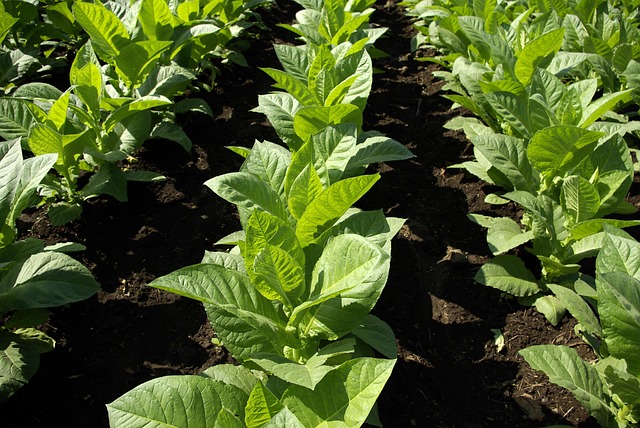
Priming is the leaf’s position on the tobacco plant. The lowest leaves — volado — are mild, easy-burning, contribute little flavour. The middle leaves — seco — bring aromatic complexity and balance. The top leaves — ligero — are slow-burning, oil-heavy, strong, and contribute most of the nicotine and weight. A complex cigar is one in which all three primings are used, in proportion, with leaves of different origins blended together to create flavour conversation rather than a single dominant register.
The wrapper drives identity. The classics:
Ecuadorian Habano and Connecticut. Ecuador’s permanent cloud cover produces wrapper leaves that are uniformly elastic, oily, and silky in texture. Ecuadorian Habano (used widely by Drew Estate, AJ Fernandez, the modern Davidoff Nicaragua line) is mid-toned and produces nutty, slightly spicy, very forgiving smoke. Ecuadorian Connecticut produces lighter, creamier cigars and is the default wrapper for the entire “Connecticut shade” market.
Mexican San Andrés. Grown in the San Andrés Tuxtla valley in Veracruz. The leaves are toothy, dark, and slightly oily, and they bring cocoa, dark fruit, and earth to a cigar. The wrapper of the Romeo y Julieta Cuban Maduro line and the entire Te-Amo portfolio. Used heavily in modern Nicaraguan boutique production.
US Connecticut Broadleaf. Grown in the Connecticut River Valley. A thick, sun-grown leaf with deep maduro fermentation that produces black wrappers and gives cigars the signature sweet-coffee-and-leather profile that defines the Liga Privada No. 9 and Padrón Anniversary Maduro lines.
Cuban-grown Habano. Still the single most flavourful wrapper category in the world by most blender consensus. Used exclusively on cigars produced inside the Habanos S.A. system. The Vuelta Abajo grown wrapper on a Cohiba Behike or a Montecristo Edmundo is, in straightforward terms, doing something no non-Cuban wrapper has fully replicated.
Filler origin matters in similar ways. Nicaraguan filler (particularly from Estelí and Jalapa) brings spice and density. Dominican filler from the Cibao Valley brings creaminess and length. Honduran filler from the Jamastrán Valley brings peppery brightness. Cuban filler from Vuelta Abajo brings the leathery, woodsy signature that defines what Cuban cigars taste like.
A complex cigar is the result of a blender selecting two, three, or four of these origins and combining them across primings to produce something that none of them produced alone. That is the work.
Aging: what time actually does to a cigar
The other lever is time. Tobacco fresh off the curing barn is harsh, vegetal, ammonia-heavy. The character of a premium cigar is largely the character of leaves that have been allowed to age and ferment — sometimes for years — before being rolled.
Habanos S.A. ages all wrapper and filler tobacco for a minimum of two years before rolling. The Reserva line uses leaves aged five years. The Gran Reserva line uses leaves aged seven years from a single harvest. The Padrón 1964 line uses Nicaraguan tobaccos aged a minimum of four years; the 1926 line uses tobaccos aged five years; the rare Family Reserve uses fillers from harvests up to 45 years old. The aging accomplishes two things — it dissipates the harsh nitrogen compounds (the “ammonia” smell of raw cured tobacco) and it allows oils inside the leaf to develop into the rich aromatic compounds that produce coffee, cocoa, leather, and cedar notes on the palate.
Post-roll, cigars continue to age inside the box. A young Cohiba Behike at six months smokes one way; the same cigar at five years smokes meaningfully differently. Vertical aging — keeping boxes intact, undisturbed, at stable RH for years — is the hobby that keeps the collectors’ Reserva boxes climbing in value at auction. Cigar Aficionado’s coverage of the secondary market is reasonable open reading at cigaraficionado.com.
Editorial view: aging is the most under-utilised tool in personal cigar storage. Most aficionados smoke their cigars too young. A box of decent Punch Petit Coronas held for three years at stable 67% RH delivers a cigar that drinks like a much more expensive smoke. The technique costs nothing but patience.
The blenders driving the shift
The cigars that get cited in serious conversation in 2026 are produced by a small number of blenders who have prioritised structural complexity over single-register strength.
The Padrón family. Jorge Padrón runs the operation his father Jose Orlando Padrón founded. The 1964 Anniversary line, particularly the Maduro variants, is the textbook example of complexity at affordable scale — cocoa, espresso, cedar, a developed sweetness, no single note dominating. The 1926 line goes further. The Family Reserve releases are the deepest cigars in the Nicaraguan catalogue.
Ernesto Perez-Carrillo. Founder of EPC Cigar Company. The La Historia E III, the Pledge, and the Encore are case studies in build — different blends solving for different palate questions, all of them legibly his.
The Plasencia family. Currently producing roughly a quarter of the premium leaf used in the non-Cuban cigar world. Their own-brand releases — Año 56, Alma del Fuego, Alma del Campo — are showing that the family can compete with their own customers on quality.
Carlito Fuente. The OpusX line, made entirely with Dominican-grown Cuban-seed tobacco, demonstrates that complex full-bodied cigars do not need Nicaraguan filler to work. Anejo Sharks remain among the most sought-after cigars in the world.
Habanos S.A. The Cuban industry has been quietly producing the most complex cigars of the post-2010 era — the Montecristo Elba, the Cohiba Behike series, the Punch Princesa anniversary release, Trinidad Topes, and the Reserva and Gran Reserva programme overall. The vertical integration of leaf, aging, and rolling under one organisation produces cigars with structural coherence that the multi-country blends struggle to match.
Why Cuban tobacco sits in a separate category
A note on the framing. Cuban cigars rarely come up in conversations about “blending innovation” because they do not blend across countries — every leaf in a Habano is grown in Cuba, mostly in the Pinar del Río region. The complexity of a Cuban cigar is achieved through priming selection, age, and rolling precision rather than through cross-origin blending. Treating Habanos as a separate category is not a slight; it is an honest acknowledgement that the technical questions are different.
The trade-off is real. Cross-origin blends (most modern Nicaraguan and Dominican cigars) can engineer specific palate effects with more precision than a single-origin Cuban blend. Single-origin Cuban cigars have a coherence and a Vuelta Abajo signature that no cross-origin blend has fully replicated. The premium market sustains both because both are doing things the other cannot.
What the shift means for what you smoke
Practical takeaway: the strongest cigars in your humidor are not necessarily the most interesting ones. A Padrón 1964 Natural will out-think a strong Nicaraguan ligero bomb on most evenings. A Hoyo de Monterrey Epicure No. 2 at three years post-roll is a more interesting smoke than a fresh release from almost any other house. Save the strongest cigars for when you want strength specifically.
The smokers I respect most have ranges, not preferences. A drawer for the Dominican mid-strength evenings (Davidoff Aniversario, Fuente Hemingway Short Story). A drawer for the Cuban quiet smokes (Hoyo Epicure, Punch Punch). A drawer for the Nicaraguan structure (Padrón 1964 Maduro, My Father Flor de las Antillas). A drawer for the occasional full-blast nights (Padrón 1926 No. 1, Liga Privada No. 9).
The cigar palate evolves over years. Start with the cigars you like, smoke them slowly, take notes if you can, and pay attention to what changes between the first third and the last third. That second-third pivot, where flavours rotate from one register to another, is where complexity lives. It is also the part of the smoke most casual smokers miss entirely.
The next phase of cigar culture will keep moving in this direction. The market has matured past needing the loudest possible cigar, and the blenders who are doing serious work now are rewarded for nuance, not impact. The future of premium cigars is being written by smokers who can taste change inside a single smoke, and by makers who can build that change in.