The Silent Keeper: Why Proper Cigar Storage is Your Secret to Unforgettable Smokes
Ever wonder why your favorite cigar just doesn't taste the same after a few weeks? The secret often lies in how you store it! From understanding the ideal humidity to choosing the right humidor, proper storage is the unsung hero of a truly exceptional cigar experience. Dive into "The Next Cigar" as we unveil the simple yet crucial steps to preserve your prized collection and unlock its full flavor potential.
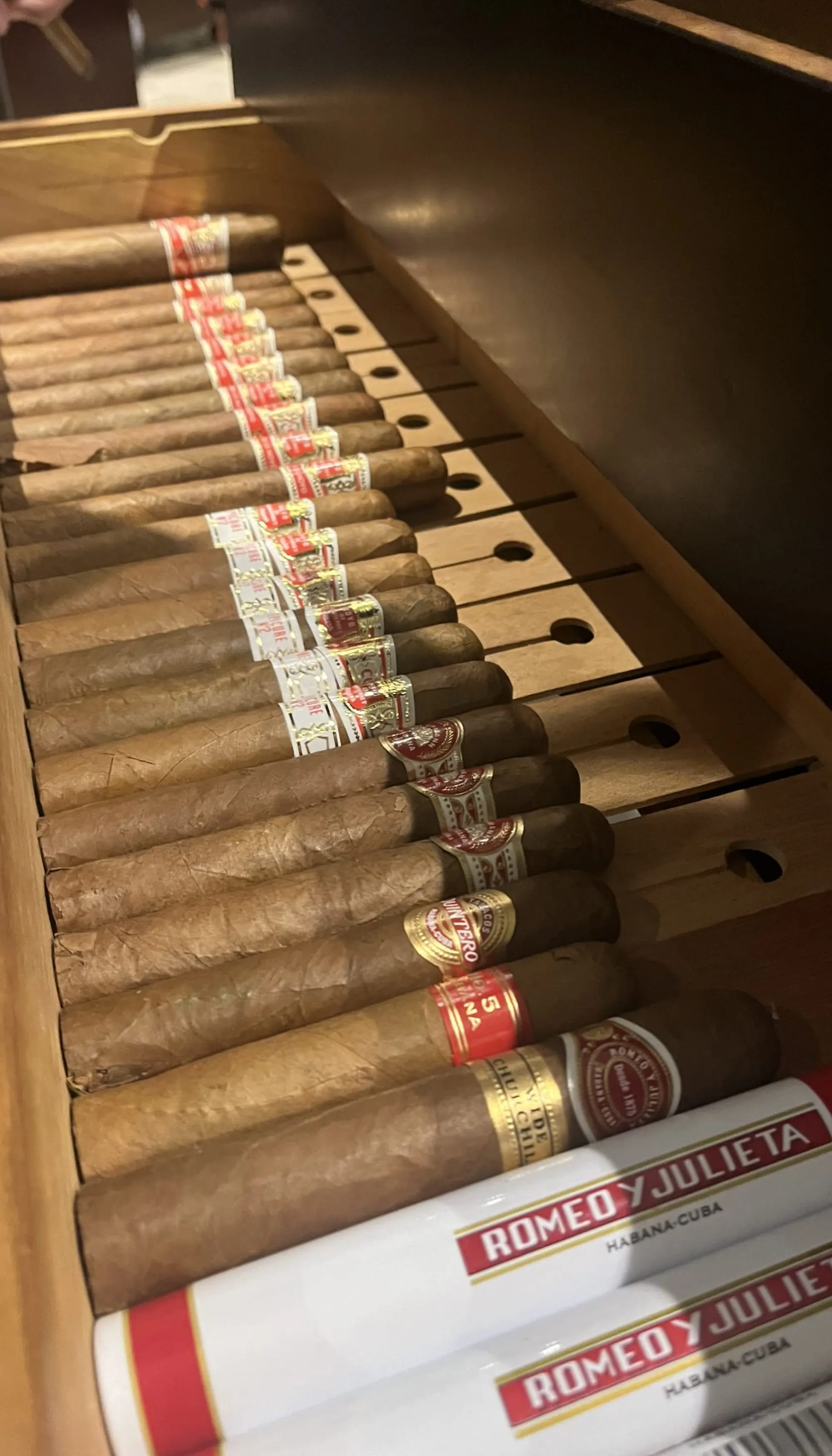
You’ve invested in a beautiful, handcrafted cigar, perhaps a rare single or a box of your everyday favorites. You’ve learned the art of the cut and the perfect light. But here’s the crucial step many overlook: how you store your cigars is just as important as how you smoke them. The humble humidor, or any suitable storage solution, is the silent keeper, safeguarding your investment and ensuring that when you finally light up, the cigar delivers the rich, nuanced experience its blenders intended. Neglect this step, and even the finest cigar can become a dry, brittle, or moldy disappointment.
The Golden Rule: The 70/70 Principle (and a Modern Twist)
For decades, the standard recommendation for cigar storage has been the “70/70 Rule”: 70% relative humidity (RH) at 70°F (21°C). This guideline aims to replicate the tropical conditions where tobacco is grown and aged.
Why 70/70 (or close to it) is Crucial:
- **Humidity (RH):**Too Low (Dry): A dry cigar loses its essential oils, becoming brittle and prone to cracking. It will burn hot and fast, delivering a harsh, one-dimensional, and often bitter smoke. The flavors become muted, and the construction can unravel.
- Too High (Wet): Excessive humidity can lead to mold growth (a furry, bluish-green fuzz – distinct from “plume” or “bloom,” which is white, crystal-like, and harmless) and encourages tobacco beetles. A wet cigar will also burn unevenly, constantly go out, and taste sour or “swampy.”
Temperature:
- Too High: High temperatures (above 75°F / 24°C) can accelerate the aging process negatively, lead to mold growth, and, most critically, cause tobacco beetle eggs (which are naturally present in tobacco) to hatch. A beetle infestation can devastate an entire humidor in days.
- Too Low: While less damaging, very low temperatures (below 60°F / 15°C) can cause the tobacco to dry out or become dormant, inhibiting flavor development.
The Modern Twist: While 70/70 is a solid starting point, many aficionados and experts now prefer a slightly lower humidity, closer to 65-68% RH, especially for longer-term storage or certain blends. This range can provide a slightly firmer cigar, a cleaner burn, and a more concentrated flavor profile for many smokers. Experiment to find what works best for your palate and your specific cigars.
Your Cigar’s Sanctuary: Choosing the Right Storage Solution
Your storage choice depends on your collection size, budget, and desired level of control.
- The Humidor (Wooden or Acrylic):
- Traditional Wooden Humidors: Often crafted from Spanish Cedar (or sometimes Mahogany or American Red Cedar), these are the classic choice. Spanish Cedar is naturally resistant to mold and tobacco beetles, has a pleasant aroma that interacts well with cigars, and helps maintain stable humidity levels.Pros: Aesthetic appeal, traditional, excellent humidity regulation when seasoned properly.
- Cons: Requires seasoning before first use, susceptible to ambient humidity swings if not well-sealed, can be pricey for quality models.
- Acrylic Humidors/Jars: A modern, often more affordable alternative.
- Pros: Excellent seal, often transparent for easy viewing, very stable humidity.
- Cons: Less traditional look, doesn’t offer the cedar aroma benefit.
- Electric / “Wineador” Humidors (Thermostatic Humidors):
- These are essentially mini-fridges or wine coolers converted or designed specifically for cigars, offering precise control over both temperature and humidity.
- Pros: Ideal for large collections, crucial for hot climates where ambient temperatures exceed 75°F regularly, highly stable environment.
- Cons: Significant investment, takes up more space, requires electricity.
- Airtight Containers (e.g., Tupperware, Coolerdors):
- A highly effective and budget-friendly solution for smaller collections or temporary storage. A “Coolerdor” is simply a well-cleaned insulated cooler used with humidification devices.
- Pros: Excellent seal, very stable humidity, portable, inexpensive.
- Cons: Lacks the aesthetic appeal of a wooden humidor, does not offer cedar benefits, no temperature control (unless it’s an electric cooler).
The Vital Component: Humidification Devices
No matter your storage vessel, you need a reliable humidification source.
- Boveda Packs: The gold standard for ease and precision. These two-way humidity control packets actively add or absorb moisture to maintain a specific RH (available in 65%, 69%, 72%, etc.).
- Propylene Glycol (PG) Solutions: Used in traditional humidifiers (sponges, crystals, beads). PG helps maintain a stable 70% RH and prevents mold.
- Distilled Water (with beads/crystals): Can be used with various media, but ensure it’s distilled to prevent mineral buildup and mold.
- Silica Gel Beads: Can be “charged” with distilled water to release humidity.
Key Storage Practices to Master:
- Season Your Humidor: Before using a new wooden humidor, it must be properly seasoned to stabilize its internal humidity. This involves slowly raising the wood’s moisture content, typically using distilled water or a high-RH Boveda pack.
- Calibrate Your Hygrometer: Even digital hygrometers can be inaccurate. Use a salt solution test or a Boveda calibration kit to ensure your readings are precise.
- Monitor Regularly: Check your hygrometer weekly, especially in fluctuating climates. Adjust your humidification as needed.
- Rotate Your Cigars: Periodically rotate your cigars, especially in larger humidors, to ensure even exposure to humidity.
- Isolate New Arrivals: If you buy cigars from an unknown source or suspect beetles, isolate them in a separate container for a few weeks before introducing them to your main humidor. Freezing can kill beetles, but must be done very carefully to avoid cracking.
Your cigar collection is an investment in enjoyment. By understanding and implementing proper storage techniques, you become the silent keeper, ensuring that every cigar you pull from your humidor is a perfectly preserved testament to the art of tobacco, ready to deliver an unforgettable smoking experience.
Filed under
Cigar 101