
La Casa del Habano: Your Definitive Guide to Authentic Cuban Cigars in Havana
Where to buy real Cuban cigars in Havana — the LCDH locations that matter, what's actually worth your money in 2026, how to pay, and how to get them home through customs without losing the box.
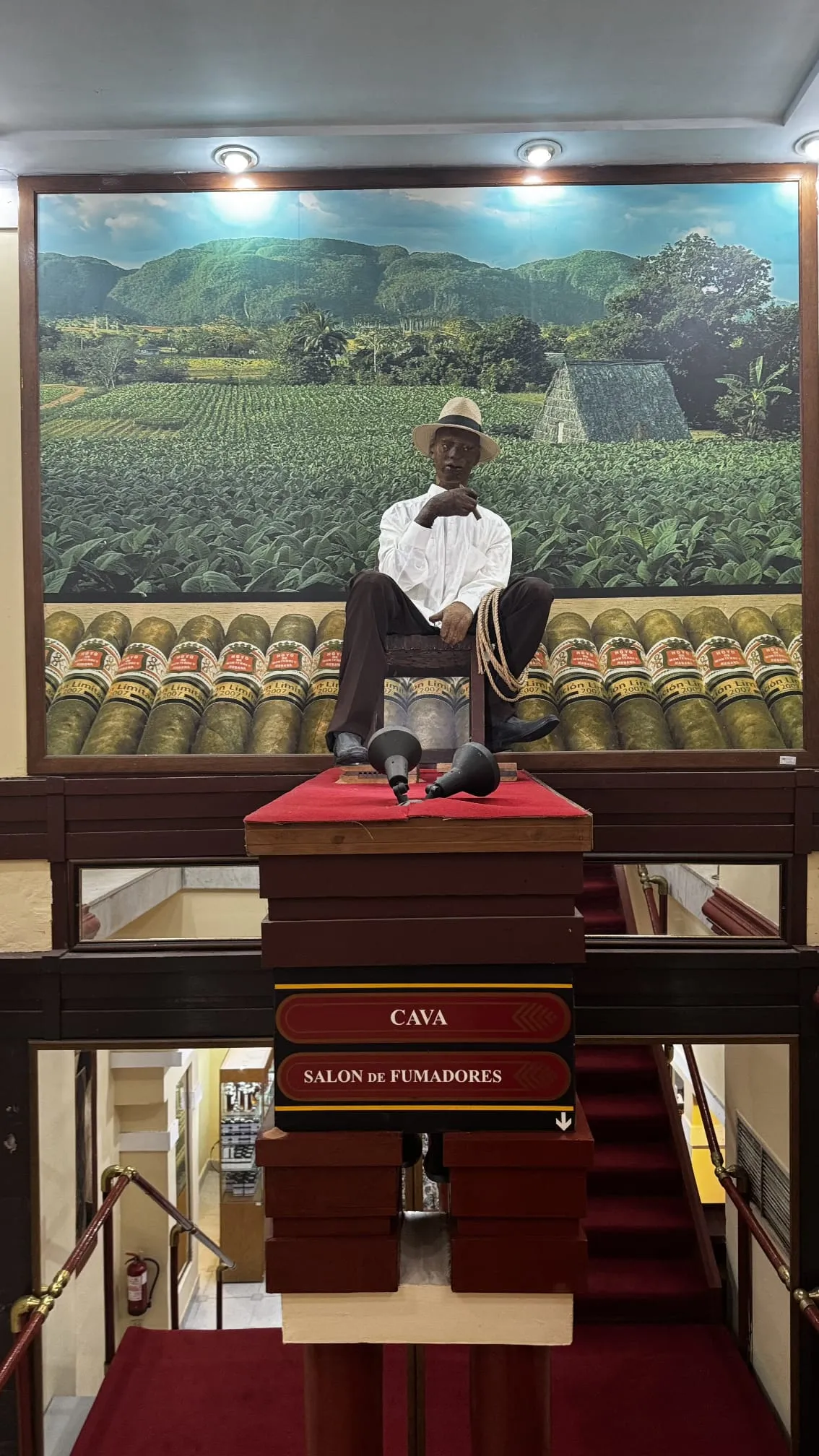
A first-time visitor to Havana will be offered “Cohibas” within ninety seconds of stepping outside their hotel. Sometimes it’s a friendly stranger, sometimes a taxi driver, sometimes a guy who claims his cousin works at the factory and can get you a box for half the price. Every one of these cigars is a counterfeit. Not most. All of them. The Cuban government does not distribute cigars through informal channels, and the genuine retail experience in Havana exists in a tightly controlled network of state-sanctioned stores — at the top of which sits La Casa del Habano.
This is a guide to the LCDH locations in Havana that are actually worth your time, what to buy when you get there, how the payment system works in 2026, and how to legally export your purchases.
What an LCDH means inside Cuba
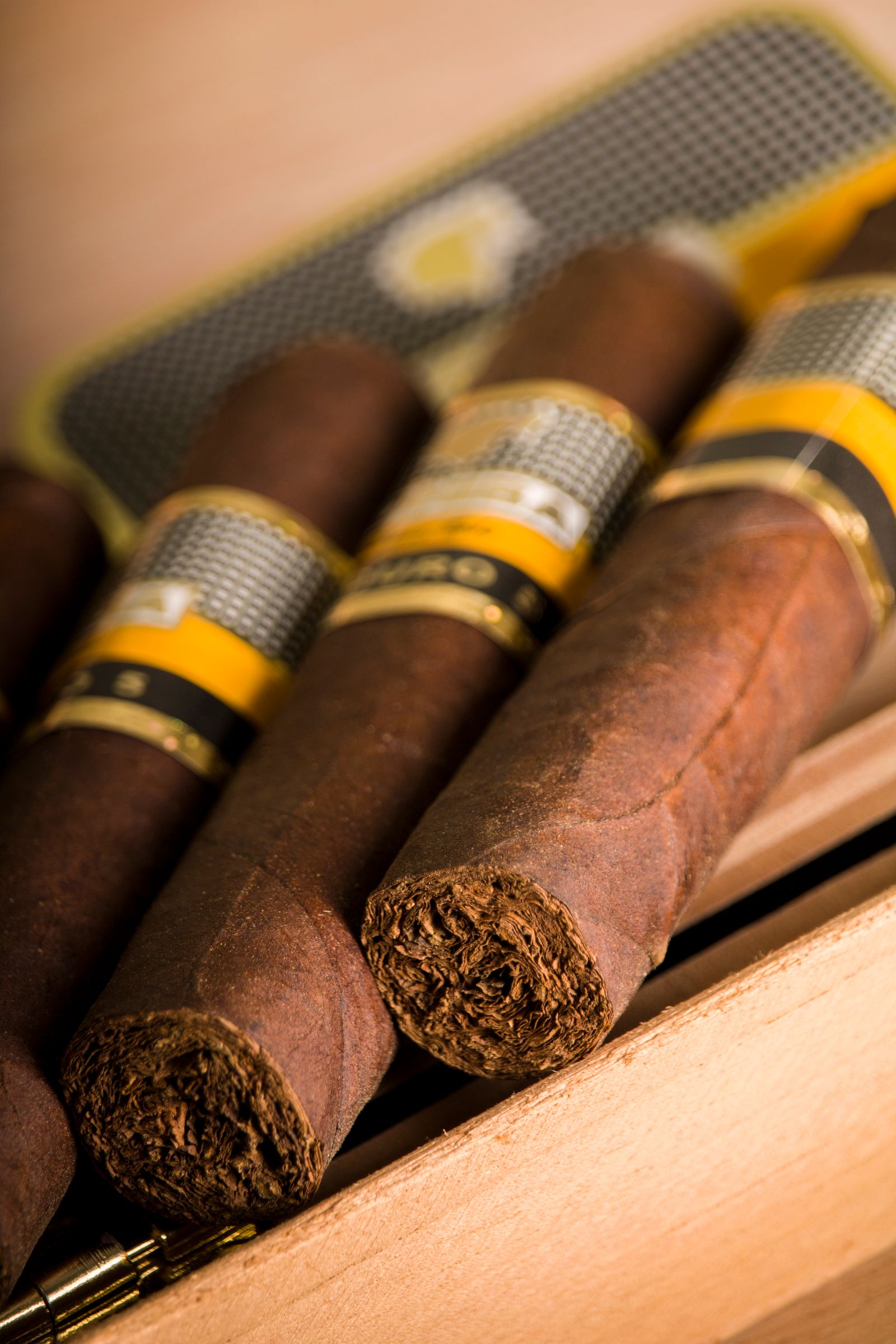
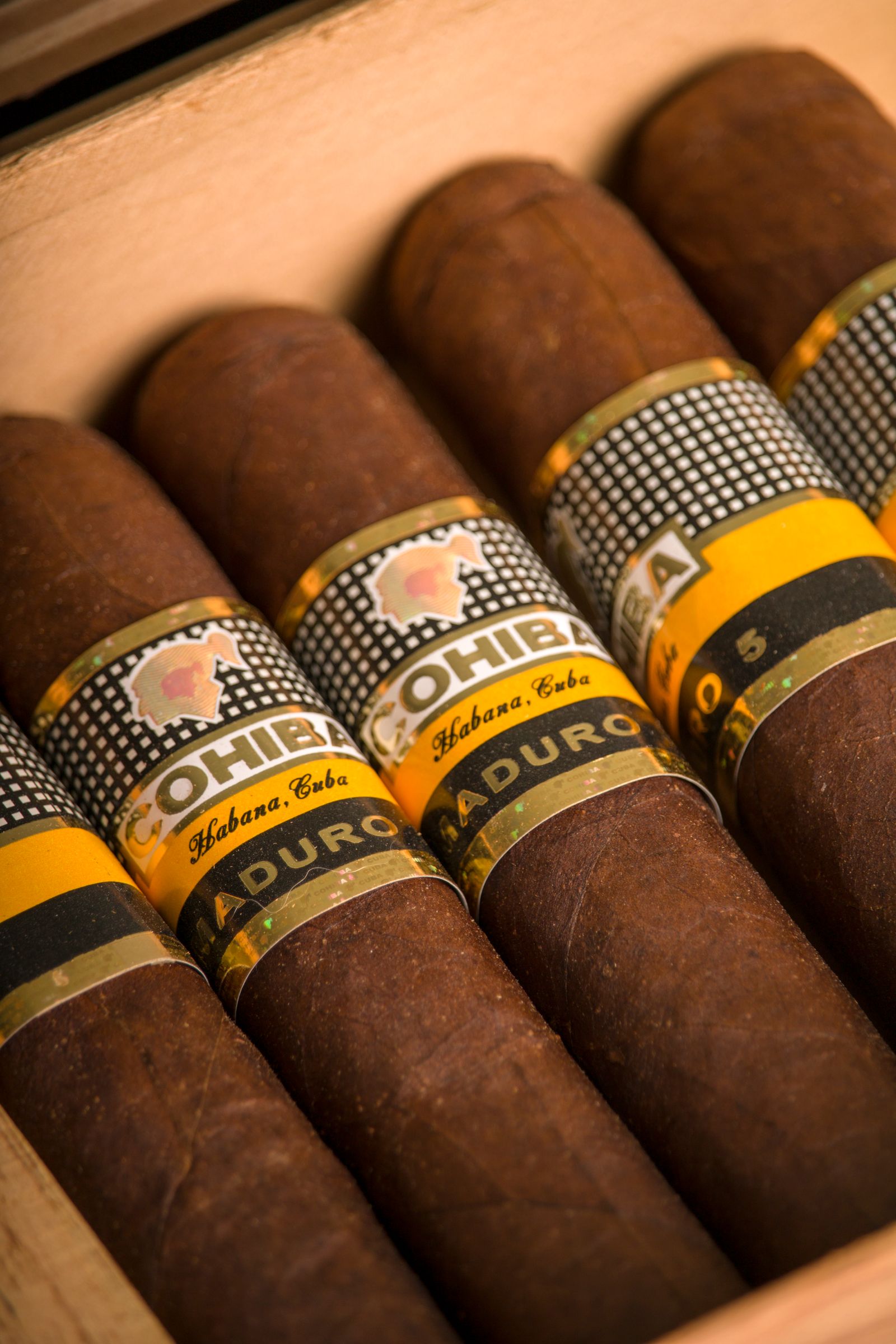
The “La Casa del Habano” name is identical inside Cuba and outside, but the experience is meaningfully different. In Madrid or Vienna, an LCDH is one well-stocked shop among many tobacconists in town. In Havana, an LCDH is one of the only places where you can buy with absolute certainty that the box in your hand is real. Habanos S.A. and Cubatabaco — the state entities that control the production and commercialization of all Cuban tobacco — supply every LCDH directly. The store carries the franchise seal. The boxes carry the Habanos S.A. authenticity stamp and the Cuban government’s green holographic warranty seal.
Everything else in Havana that calls itself a cigar shop falls into one of three categories: a legitimate Habanos Specialist (smaller official outlet, fewer amenities), a hotel Tienda de Tabaco (state-run, generally fine for common production cigars), or an informal seller (do not buy). LCDH is the top tier, and a serious visit to Havana involves at least three of them.
The LCDH locations worth visiting in Havana
There are six LCDH stores in the city worth a deliberate trip. The two you should put first on your list are 5ta Avenida and Club Habana — both in the upscale Miramar district, both with the deepest stock and the most knowledgeable staff.
LCDH 5ta Avenida (Miramar)
At 5ta Avenida #1407 between 14 and 16, this is the LCDH that serious aficionados in Havana actually frequent. It has historically been less tourist-trafficked than the hotel-based shops, which means inventory turnover is slower and singles you can no longer find elsewhere occasionally surface here. The lounge is small but proper, and the staff are noticeably more inclined toward technical conversation than upsell. If you have time for only one LCDH visit on a short trip, make it this one.
LCDH Club Habana (5ta y 188, Miramar)
Further west in Miramar, Club Habana operates inside a restored 1920s sporting club and is — without much argument — one of the great cigar shops on Earth. The walk-in humidor is large, the lounge is spacious enough for an afternoon, and the inventory regularly includes vintage releases, older Edición Limitada singles, and Reserva and Gran Reserva boxes that have aged in-house. The staff includes some of the longest-tenured cigar specialists in Cuba. For collectors looking for older Reserva and Gran Reserva releases, this is the destination.
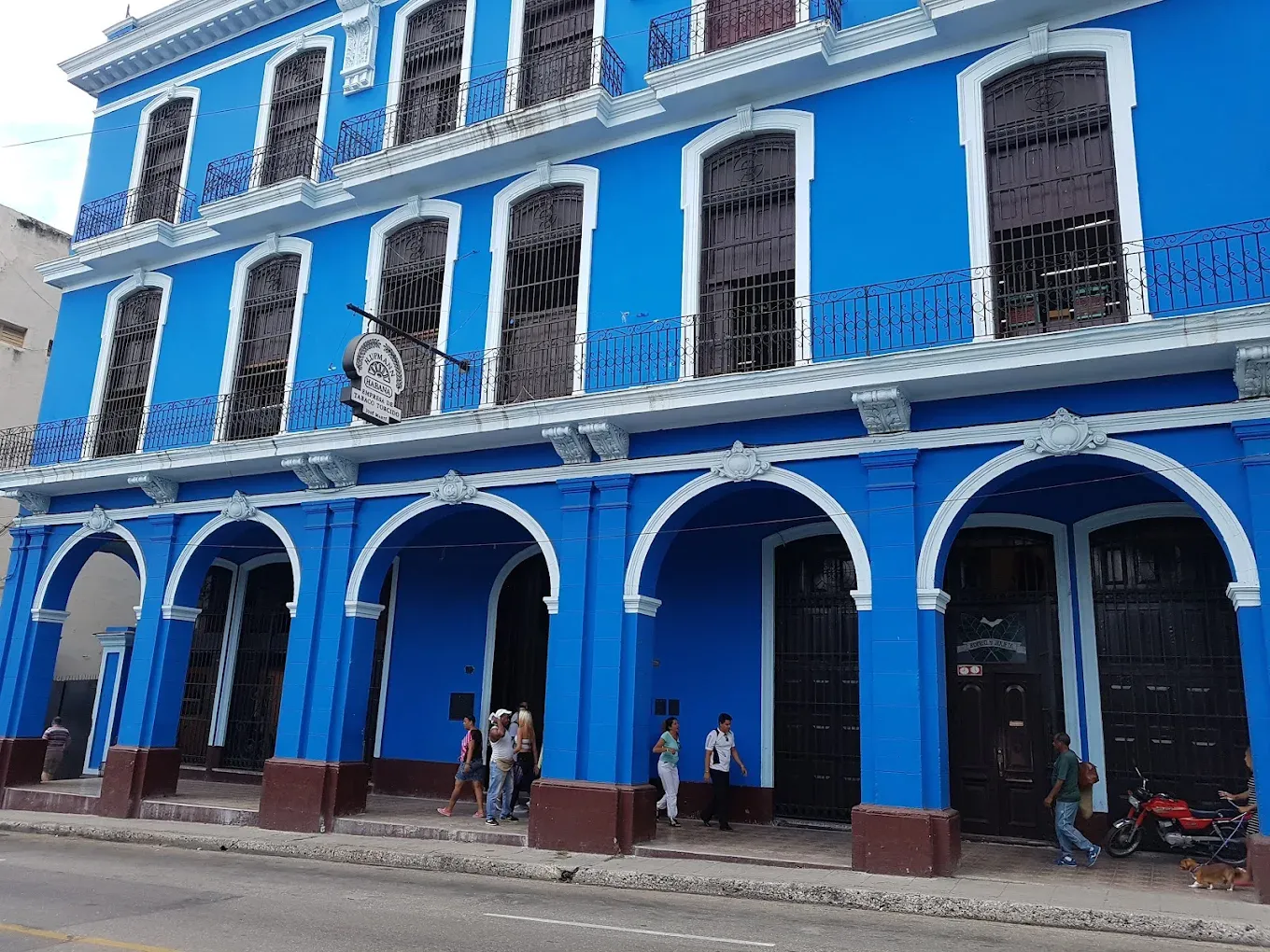
LCDH Partagás (Bernaza y O’Reilly, Old Havana)
The original Partagás factory at Industria 520 has been closed for restoration for years, but the LCDH that carries its name relocated to Bernaza and O’Reilly and continues to operate. The shop has historical weight, a steady flow of singles, and is genuinely convenient if you’re staying in Old Havana. The lounge is small. Expect tour groups in the mornings; afternoons are calmer.
LCDH at the Hotel Nacional
Inside the Hotel Nacional on Calle 21 y O, Vedado. The humidor is well-managed, the patio behind the hotel is one of the most pleasant places to smoke in Havana, and the location is unbeatable if you’re walking the Malecón. Selection runs medium — fine for picking up a robusto for the evening, less reliable for hunting specific rarities.
LCDH at Meliá Cohiba and Meliá Habana
Both inside Meliá hotels (Paseo entre 1ra y 3ra in Vedado, and Ave. 3ra entre 76 y 80 in Miramar respectively). Modern, reliable, well-stocked, and convenient for guests of either hotel. The Meliá Habana lounge is one of the most comfortable in the city. Neither would be my first stop, but neither would disappoint as a fallback.
LCDH Habana Libre
In the Hotel Habana Libre on Calle 23, Vedado. Historically known for a strong selection of singles, particularly useful if you want to try cigars you haven’t smoked before without committing to a full box. The lounge is small but functional.
A general rule across all six: opening hours nominally run Monday to Saturday, roughly 10:00 to 18:00, but Cuba’s electricity grid and supply chain reality mean these hours fluctuate. If something is critical to your itinerary, call the day before.
What to actually buy in Havana
The 2022 pricing harmonization changed the calculation. Cohiba and Trinidad now cost roughly the same in Havana as they do at LCDH stores in Western Europe, with local taxation making the global comparison nearly flat. The genuine value in Havana today is concentrated in three areas:
Regional Editions for the Cuban domestic market. Cigars produced under Habanos S.A.’s Edición Regional program that were allocated to Cuba specifically. These can be 30-50% below what equivalent regional releases command elsewhere.
Old stock and aged singles. A well-stocked LCDH in Havana will have singles five or ten years old that have been resting in the humidor since release. Club Habana is particularly strong here. This is the closest thing to a vintage Cuban market you can legally participate in.
Volumes of non-prestige brands. Partagás, Romeo y Julieta, Hoyo de Monterrey, H. Upmann, and Bolívar still carry meaningful price advantages in Havana versus European retail — typically 25-40% below LCDH-Europe pricing for the same vitola.
What to skip: don’t waste a Havana trip on standard production Cohiba Behike or Trinidad Fundadores. Buy those at home.
Payment in 2026: plastic, with footnotes
The Cuban government has been pushing electronic payment for several years, and at LCDH stores in Havana, this is no longer optional. Cigars are sold in MLC (Moneda Libremente Convertible) and paid for by card. Cuban pesos (CUP) are not accepted for LCDH cigar purchases.
Visa and MasterCard issued by non-US banks generally work. American Express does not. US-issued cards face the embargo problem and remain unreliable — sometimes they process, often they don’t. The safest move for any traveler whose card might be flagged is to buy a prepaid MLC debit card on arrival from Cadeca or Banco Metropolitano, load it with euros or dollars, and use that. This is what experienced visitors do by default.
Keep every receipt. The customs export rule that follows depends on it.
How to get your cigars out of Cuba legally
Cuban customs has specific export limits, and they are enforced more strictly than they were a decade ago. The current rule, confirmed by Granma in 2022:
- Up to 20 loose cigars can leave Cuba without any receipts.
- Up to 50 cigars in original sealed boxes can leave without receipts, provided the boxes carry the official seals.
- Beyond 50 and up to 2,000 cigars, you must produce the original purchase receipts from an authorized store. No receipts means likely confiscation at the airport.
- Over 2,000 cigars requires commercial permits.
The receipt enforcement is real. Several visitors a year lose substantial boxes at José Martí airport because they bought from informal sellers or lost their LCDH receipts. Keep the paperwork.
A specific note for US travelers
As of September 24, 2020, the US Treasury Department prohibits American travelers from returning to the United States with Cuban-origin alcohol or tobacco, even for personal use. You can legally buy cigars in Havana and legally smoke them in Cuba, but US customs will confiscate them at your port of entry. This has not relaxed. If you are a US citizen, plan to smoke what you buy on the island.
Beyond shopping: how to actually use the LCDH
The most underused feature of an LCDH in Havana is the lounge. After you buy, sit down. Order Cuban coffee or a glass of seven-year Havana Club. Smoke the cigar the staff just sold you, in the room it was rolled to be smoked in. This is the experience that the franchise was designed to deliver, and it is impossible to replicate at home. Time at the bar at Club Habana, or on the patio of LCDH Hotel Nacional, is what separates a successful Havana cigar trip from a transactional one.
For a wider view of Havana as a cigar city — including lounges outside the LCDH network — see our separate guide. And if your trip overlaps with February, our coverage of the Habanos Festival explains how to plan around the year’s most important cigar week.
The LCDH network in Havana is the most efficient way to convert a trip to Cuba into a meaningful addition to your humidor. The locations are clustered enough to visit several in a single day. The staff reward serious buyers. The cigars are real, properly stored, and exportable within clear legal limits. Skip the street sellers, skip the cousin at the factory, and spend an afternoon in Miramar instead. That is where the real cigars are.
Filed under
Havana Cigar Life